



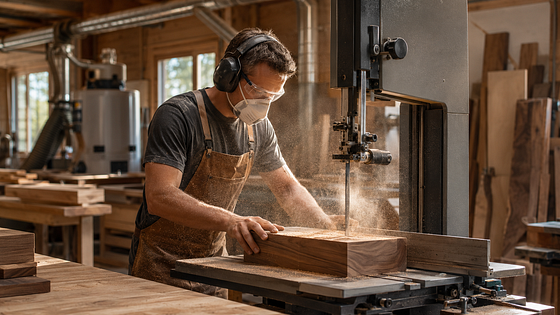
Why is industrial air quality important?
Industrial air quality can affect your people, product quality, equipment and operational efficiency. Because fine airborne contaminants aren't always visible, understanding what's in your air is an important first step towards creating a healthier workplace.
Which industries have the greatest air quality challenges?
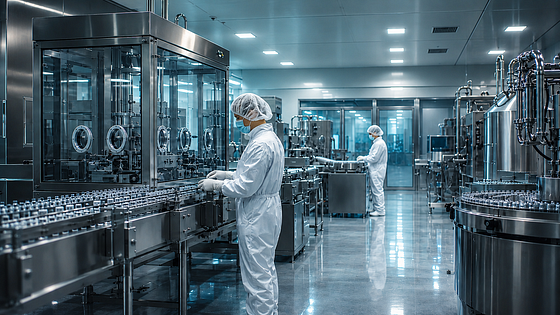
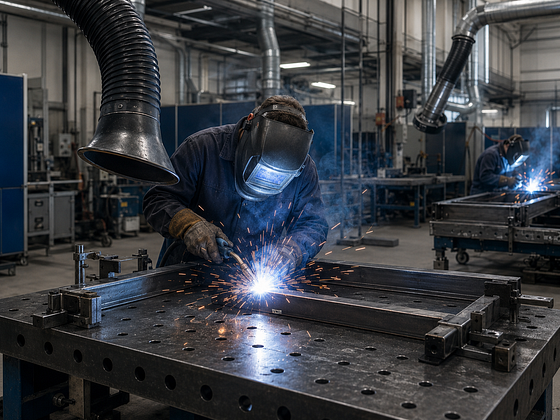
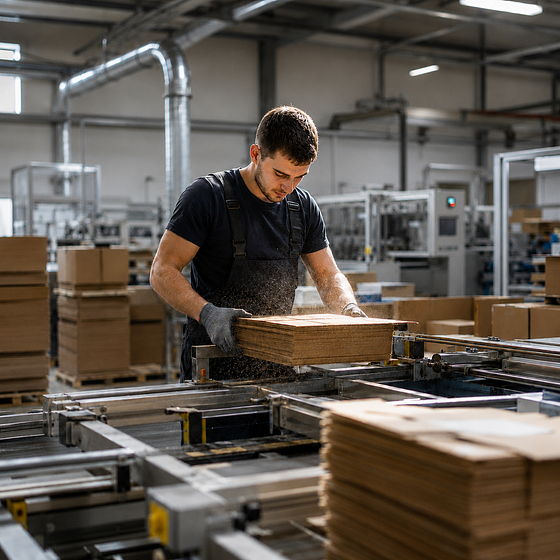
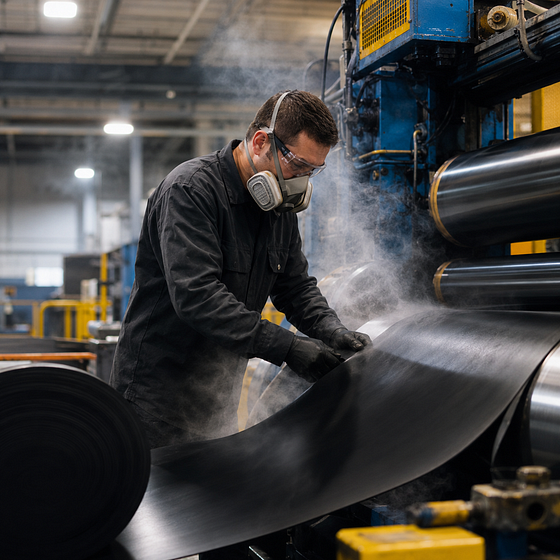
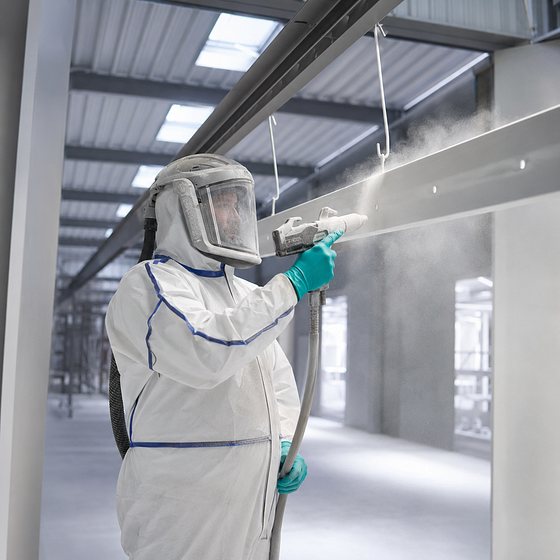
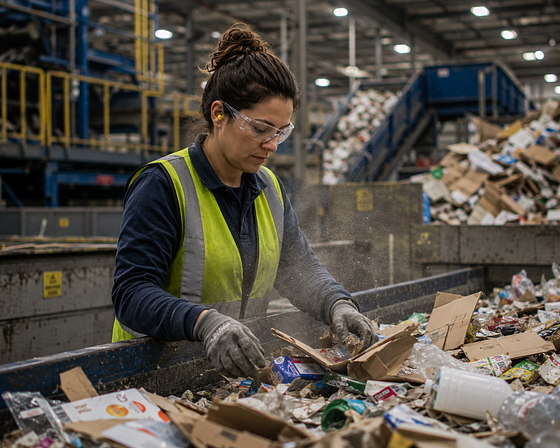
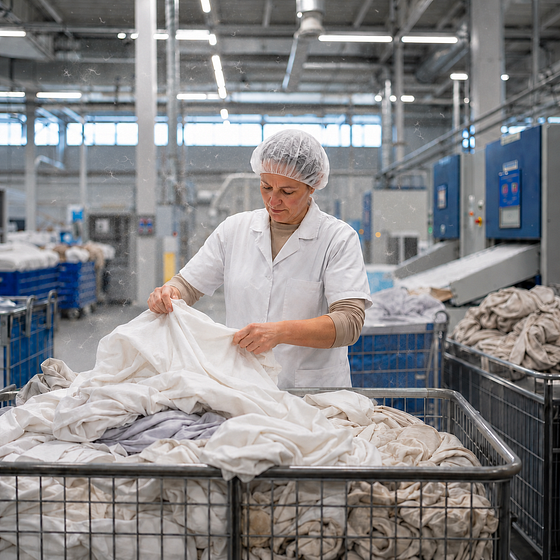
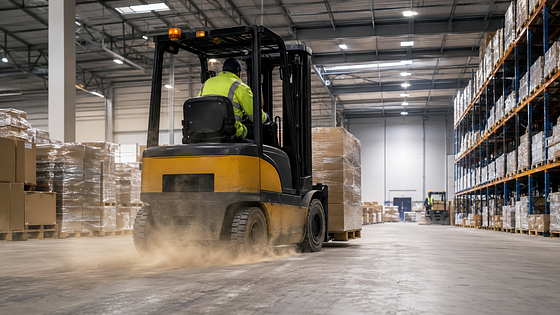
Any workplace where dust, fumes, fibres or other airborne contaminants are generated can face air quality challenges. These range from metalworking, wood processing and food production to recycling, textiles, logistics, pharmaceuticals and public buildings.
What airborne contaminants are most common?
Manufacturers commonly deal with:
- Fine dust
- PM10 and PM2.5
- Ultrafine particles
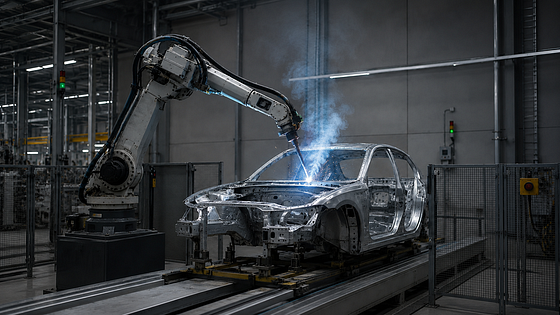
- Welding fumes
- Oil mist
- Wood dust
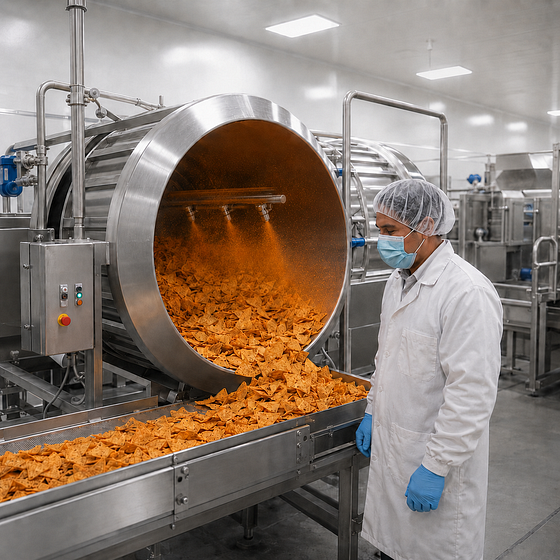
- Flour dust
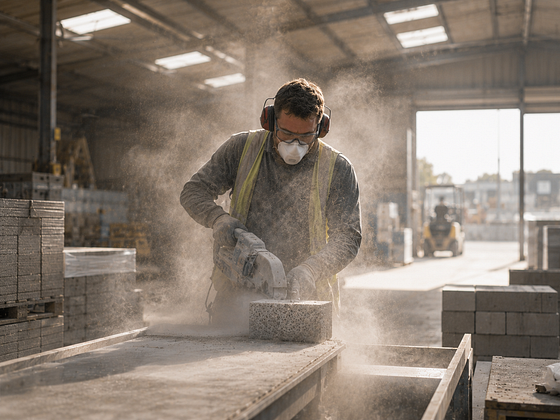
- Metal dust
- Textile fibres
- Powder coating particles
- Smoke
- Process emissions
- Volatile organic compounds (VOCs)
The type of contaminant depends on the production process and the materials being handled.
How is industrial air quality measured?
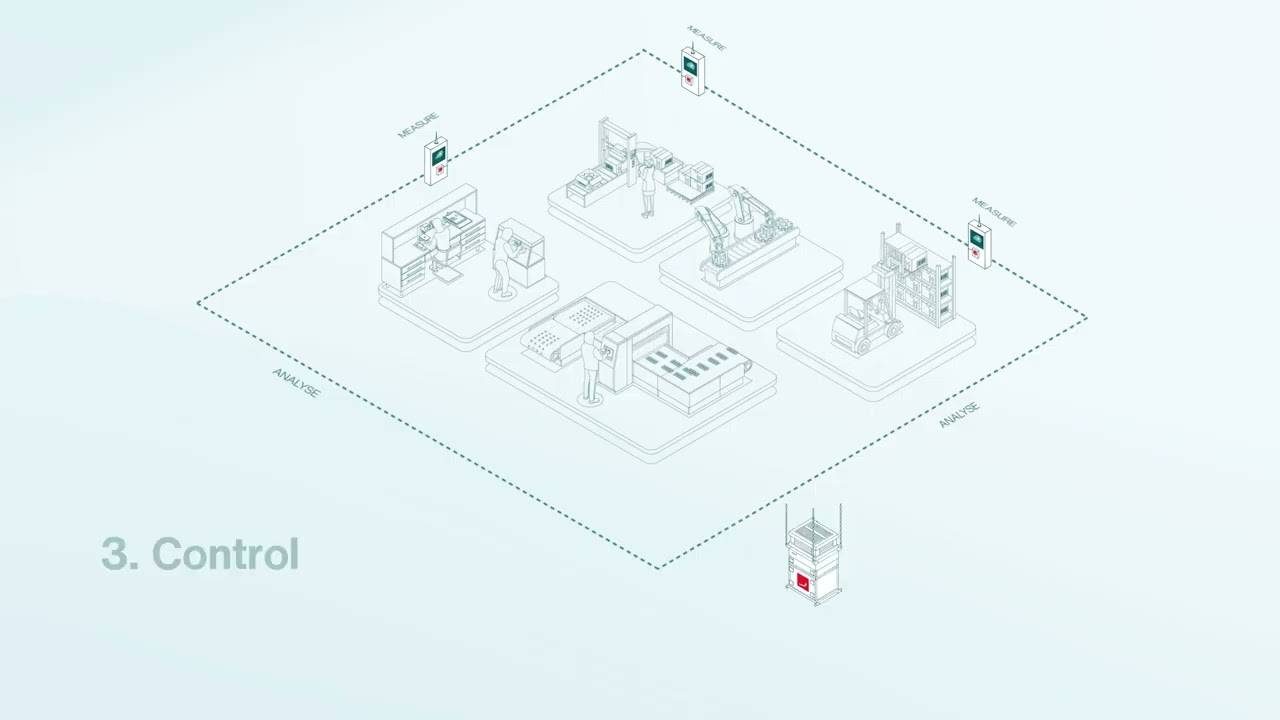
Air quality sensors provide objective data on airborne particle concentrations and how they change across a workplace. Continuous monitoring can reveal hotspots, changing conditions and areas that may need further attention.
How can manufacturers improve workplace air quality?
Improving air quality starts with understanding the contaminants and processes involved. Depending on the environment, the right approach may combine source extraction, industrial air cleaning, air quality monitoring and other control measures.
What are clean air solutions?
Clean air solutions bring together monitoring, air cleaning and expertise to understand and improve workplace air quality. The right solution depends on your environment, processes and airborne contaminants – because cleaner air is never one-size-fits-all.