Air quality challenges in public buildings
Every day, public buildings bring employees, students, patients, visitors and communities together. With different people and different needs sharing the same indoor air, managing air quality challenges matters to everyone inside.
Different public buildings. Different air quality challenges.
From schools and hospitals to offices and transport hubs, every public building faces different air quality challenges. The sources may vary, but airborne particles, allergens and pathogens can become part of the indoor air people share every day.
Busy classrooms, lecture halls and shared spaces bring large numbers of people together throughout the day. Constant occupancy and activity contribute to airborne particles, allergens and respiratory aerosols in the air students and staff share.
Waiting areas, treatment rooms and shared spaces bring patients, staff and visitors together, including people who may be particularly vulnerable. Airborne particles and respiratory aerosols can circulate through these busy indoor environments.
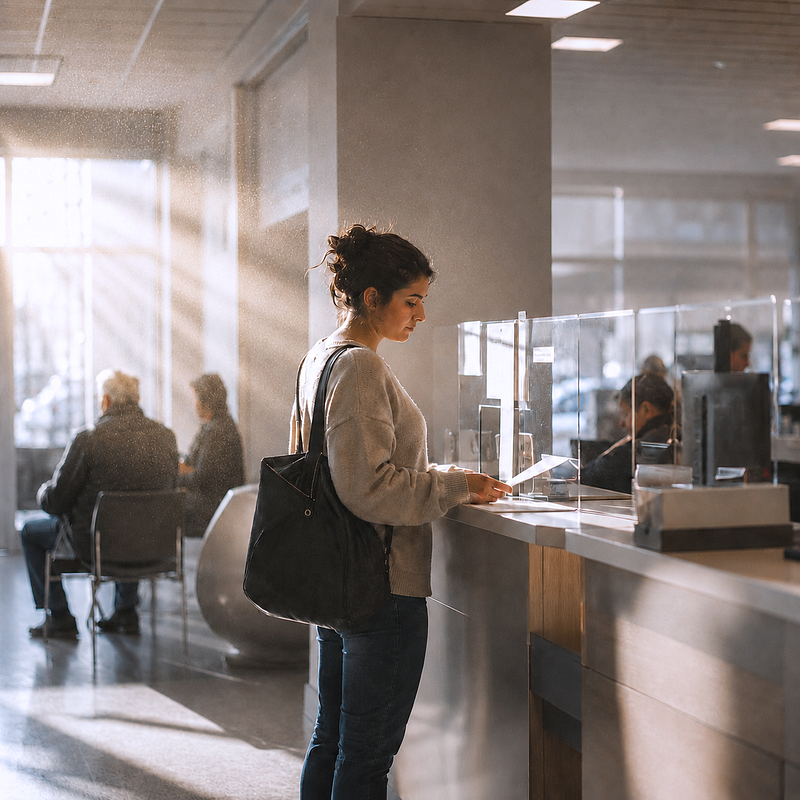
Shared offices, meeting rooms and public service areas experience changing occupancy throughout the day. People, outdoor air and everyday activity continuously introduce and redistribute airborne particles and allergens.
Visitors continuously bring dust and airborne particles into shared spaces. These particles can affect the indoor environment and settle on sensitive collections, displays and surfaces.
Physical activity, high occupancy and constant movement can increase respiratory aerosols and resuspend settled particles throughout sports halls, fitness areas and recreational spaces.
Railway stations, airports and bus terminals combine heavy footfall with frequent connections to outdoor pollution. People, luggage, vehicles and surrounding air can introduce particles that are then redistributed throughout busy shared spaces.
When indoor air quality affects more than just your public building.
People expect public buildings to feel safe, healthy, and welcoming. But when airborne particles, allergens and pathogens become part of the shared indoor environment, the impact extends far from comfort; affecting people, operations and public confidence.

Employees, visitors, students and patients spend many hours inside public buildings every day. Exposure to airborne particles, allergens and pathogens can contribute to respiratory irritation and illness, with potential consequences for sickness absence and the people who rely on these spaces.

Stuffy, uncomfortable indoor environments can make long days feel even longer. Poor indoor air quality has been associated with headaches, fatigue and reduced concentration, affecting how people feel and perform in the spaces they use every day.

In busy shared indoor spaces, respiratory aerosols can carry airborne pathogens beyond the person who releases them. In schools, healthcare settings, offices and other high-occupancy public buildings, that can increase opportunities for exposure as people move and mix throughout the day.

People trust public sector organisations to provide safe environments in which to work, learn, receive care and access essential services. Concerns about indoor air quality can quickly become concerns about how well those environments, and the people responsible for them, are being managed.

Airborne particles settle on surfaces, furnishings and equipment throughout the building. This increases housekeeping requirements, cleaning costs and ongoing maintenance while making it more difficult to maintain a clean indoor environment.

When people are absent, public services feel it. Schools, healthcare facilities and public sector organisations depend on people being available to keep essential services running. Creating healthier indoor environments forms part of protecting that continuity.

Occupant health
Employees, visitors, students and patients spend many hours inside public buildings every day. Exposure to airborne particles, allergens and pathogens can contribute to respiratory irritation and illness, with potential consequences for sickness absence and the people who rely on these spaces.

Wellbeing & productivity
Stuffy, uncomfortable indoor environments can make long days feel even longer. Poor indoor air quality has been associated with headaches, fatigue and reduced concentration, affecting how people feel and perform in the spaces they use every day.

Infection transmission
In busy shared indoor spaces, respiratory aerosols can carry airborne pathogens beyond the person who releases them. In schools, healthcare settings, offices and other high-occupancy public buildings, that can increase opportunities for exposure as people move and mix throughout the day.

Public confidence
People trust public sector organisations to provide safe environments in which to work, learn, receive care and access essential services. Concerns about indoor air quality can quickly become concerns about how well those environments, and the people responsible for them, are being managed.

Building cleanliness & maintenance
Airborne particles settle on surfaces, furnishings and equipment throughout the building. This increases housekeeping requirements, cleaning costs and ongoing maintenance while making it more difficult to maintain a clean indoor environment.

Operational continuity
When people are absent, public services feel it. Schools, healthcare facilities and public sector organisations depend on people being available to keep essential services running. Creating healthier indoor environments forms part of protecting that continuity.
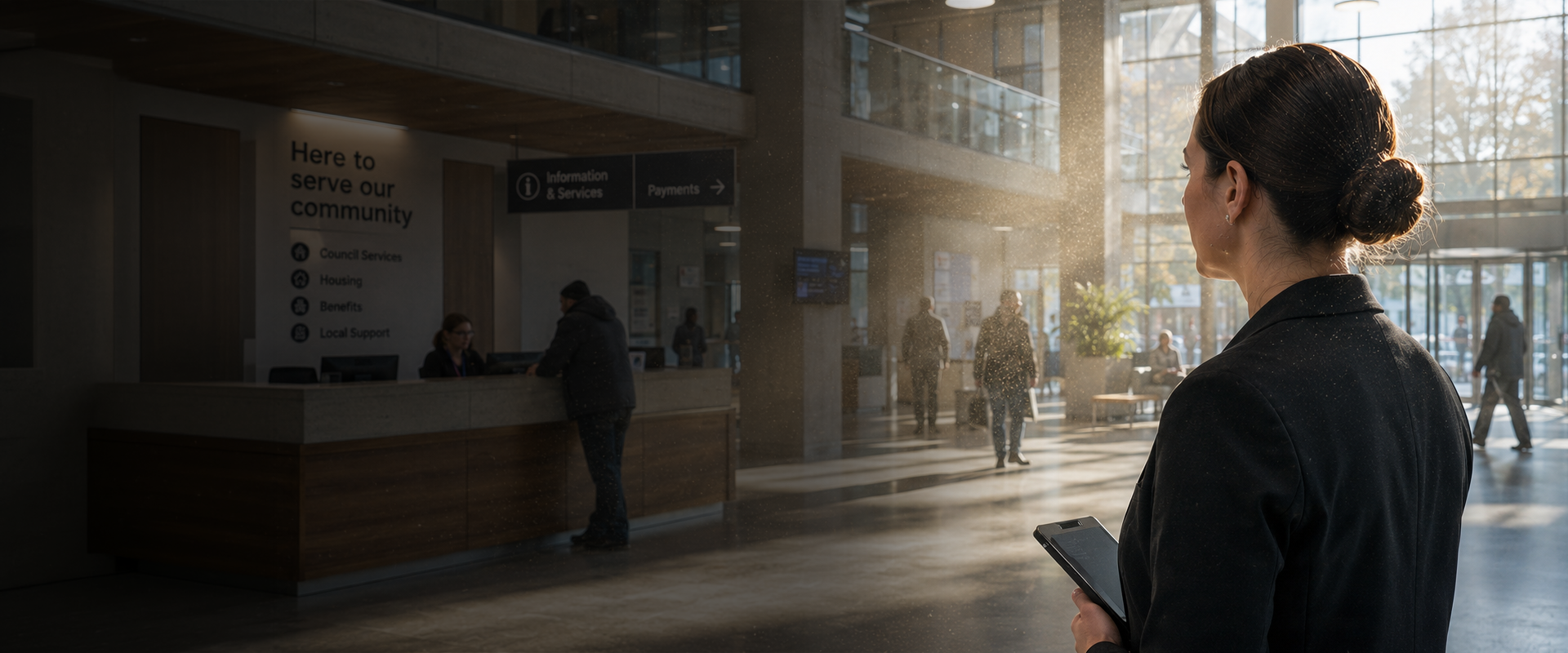
Public buildings serve communities. The air inside should protect everyone who uses them.
Airborne particles don't stay in one space.
They move with people and airflow, travelling through classrooms, corridors, offices and shared areas.
Everyone deserves healthier, cleaner air, wherever they work, learn, receive care or access public services.
A public building can look clean without revealing what's happening in the air. As people and occupancy change, airborne particles, allergens and pathogens move with them. Understanding where air quality challenges arise and which spaces are most affected requires more than what you can see.
Understand what's really in your air.
Air quality monitoring turns invisible challenges into measurable insights. Showing how airborne particles, allergens and pathogens behave throughout your public building.
It helps you:
- Identify areas with the highest occupant exposure
- Compare classrooms, offices, waiting areas and shared spaces
- Understand how occupancy and activity affect air quality
- Validate improvements with objective air quality data
- Support building management with measurable evidence
Understand what's really in your air.
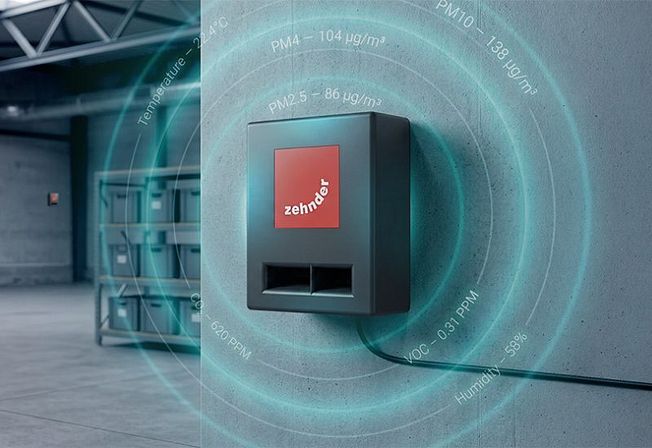
Industrial air cleaning creates healthier public buildings.
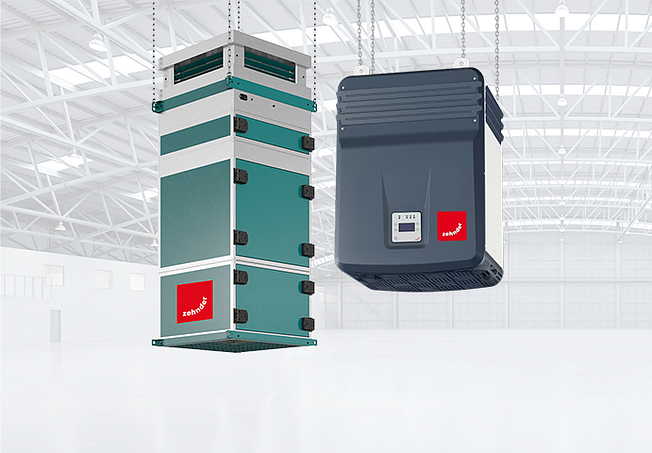
Industrial air cleaning creates healthier public buildings.
Once you understand your indoor air quality, you can take targeted action.
Industrial air cleaning continuously removes fine airborne particles from shared indoor air, helping reduce exposure, improve occupant comfort and create cleaner, healthier environments without disrupting everyday activity.
Questions we hear from public sector organisations every day.
Public buildings bring large numbers of people into shared indoor spaces every day. Good indoor air quality helps reduce exposure to airborne particles, allergens and pathogens while creating healthier, more comfortable environments for employees, visitors and the wider community.
Schools, universities, hospitals, healthcare facilities, government offices, museums, libraries, sports centres, airports, and many other public buildings can all benefit from improved indoor air quality.
Yes. High-performance air cleaning systems continuously remove airborne particles that can carry pathogens, supporting healthier indoor environments as part of a broader indoor air quality strategy.
The more people share an indoor space, the more airborne particles, respiratory aerosols, allergens and CO₂ accumulate. Monitoring occupancy-related air quality helps building managers make informed decisions.
Ventilation replaces or dilutes indoor air with outdoor air. Industrial air cleaning removes fine particles already circulating inside the building. Used appropriately, the two can complement each other as part of a wider indoor air quality strategy.
Ready to improve air quality across your public building?
Every public building has its own air quality challenges. I'd be delighted to learn more about your building, answer your questions and help you find the best way to create cleaner, healthier indoor air for the people who use it every day.