






Air quality challenges in the textile industry

Textile fibres are part of almost every stage of production. But once cotton dust, lint and fine fibres become airborne, they can travel beyond the process and become part of the air your people breathe.

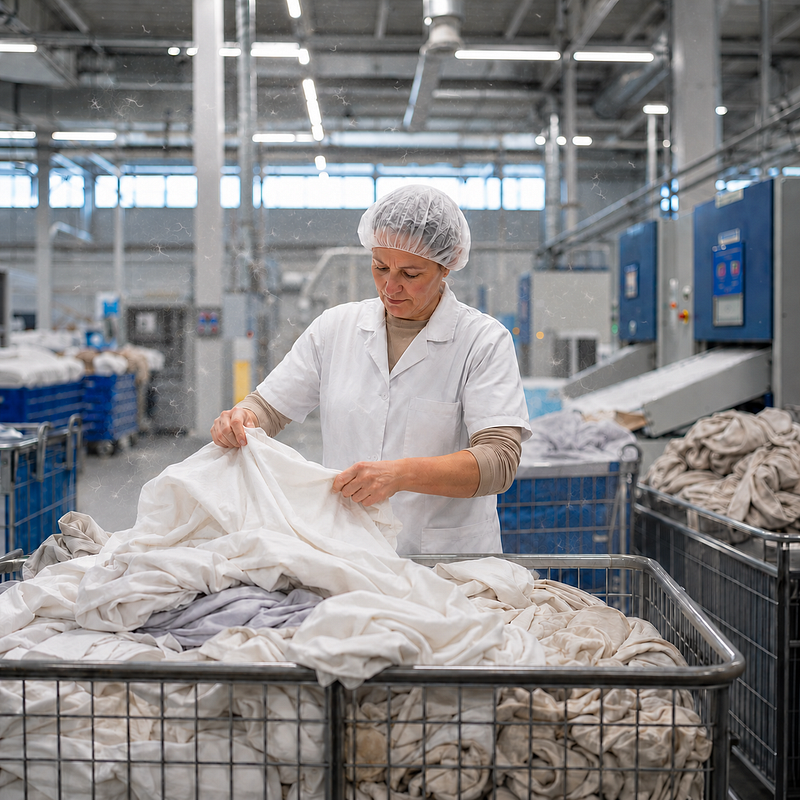
Textiles being cleaned in an industrial laundry service

Airborne textile fibres travel further than you think.

Cutting tables, looms, carding machines, spinning frames and finishing processes all release fibres into the air. Larger fibres settle quickly, while finer cotton dust and lint can remain airborne and travel beyond where they were created.

Fibres are released throughout production

From spinning, weaving, cutting and sewing to the sorting, drying and folding found in the laundry industry, everyday processes release textile fibres, cotton dust and lint into workplace air.

Airborne fibres stay in motion

Lightweight fibres don't always stay where they're released. Airflow, conveyors, forklifts and everyday movement can keep them circulating through production and shared workspaces.

The cleaning never really ends

You clean the machines, floors and surfaces. Then the fibres settle again. While fine textile fibres and lint remain airborne, keeping your facility clean can feel like a job that's never finished.

When airborne textile fibres affect your entire operation.

Fine fibres may be small, but their impact can reach across your entire operation. From the air your people breathe to the machines keeping production moving, airborne contamination creates challenges far beyond housekeeping.

Cleaning and housekeepingHousekeeping

Lint and textile fibres settle continuously across machinery, floors and overhead surfaces. Cleaning takes valuable time, while airborne fibres can begin settling again almost as soon as the job is done.


Equipment reliabilityMachinery maintenance

Fine fibres can accumulate around sensors, electrical cabinets and moving equipment. As contamination builds, so can cleaning, maintenance and the risk of unplanned downtime.

Employee health and retentionEmployee wellbeing

Your people spend every shift breathing the surrounding air. Exposure to airborne textile fibres and cotton dust can contribute to respiratory irritation and coughing, making cleaner workplace air an important part of employee wellbeing.

Cleanliness and hygieneHygiene and appearance

Cleanliness is part of what your customers expect. Visible lint and dust across machinery, surfaces and working areas can undermine confidence in the standards behind your operation.

Lower productivity and efficiency Productivity

Every cleaning interruption, contaminated sensor and fibre-related maintenance task takes time away from production. Across high-volume textile and laundry operations, small interruptions quickly add up.

Fire riskFire risk

Lint and textile fibres can be combustible. When they accumulate around machinery, electrical equipment and overhead surfaces, effective dust management becomes important for more than cleanliness alone.

Cleaning and housekeeping

Housekeeping

Lint and textile fibres settle continuously across machinery, floors and overhead surfaces. Cleaning takes valuable time, while airborne fibres can begin settling again almost as soon as the job is done.
Equipment reliability

Machinery maintenance

Fine fibres can accumulate around sensors, electrical cabinets and moving equipment. As contamination builds, so can cleaning, maintenance and the risk of unplanned downtime.

Employee health and retention

Employee wellbeing

Your people spend every shift breathing the surrounding air. Exposure to airborne textile fibres and cotton dust can contribute to respiratory irritation and coughing, making cleaner workplace air an important part of employee wellbeing.

Cleanliness and hygiene

Hygiene and appearance

Cleanliness is part of what your customers expect. Visible lint and dust across machinery, surfaces and working areas can undermine confidence in the standards behind your operation.

Lower productivity and efficiency

Productivity

Every cleaning interruption, contaminated sensor and fibre-related maintenance task takes time away from production. Across high-volume textile and laundry operations, small interruptions quickly add up.

Fire risk

Fire risk

Lint and textile fibres can be combustible. When they accumulate around machinery, electrical equipment and overhead surfaces, effective dust management becomes important for more than cleanliness alone.

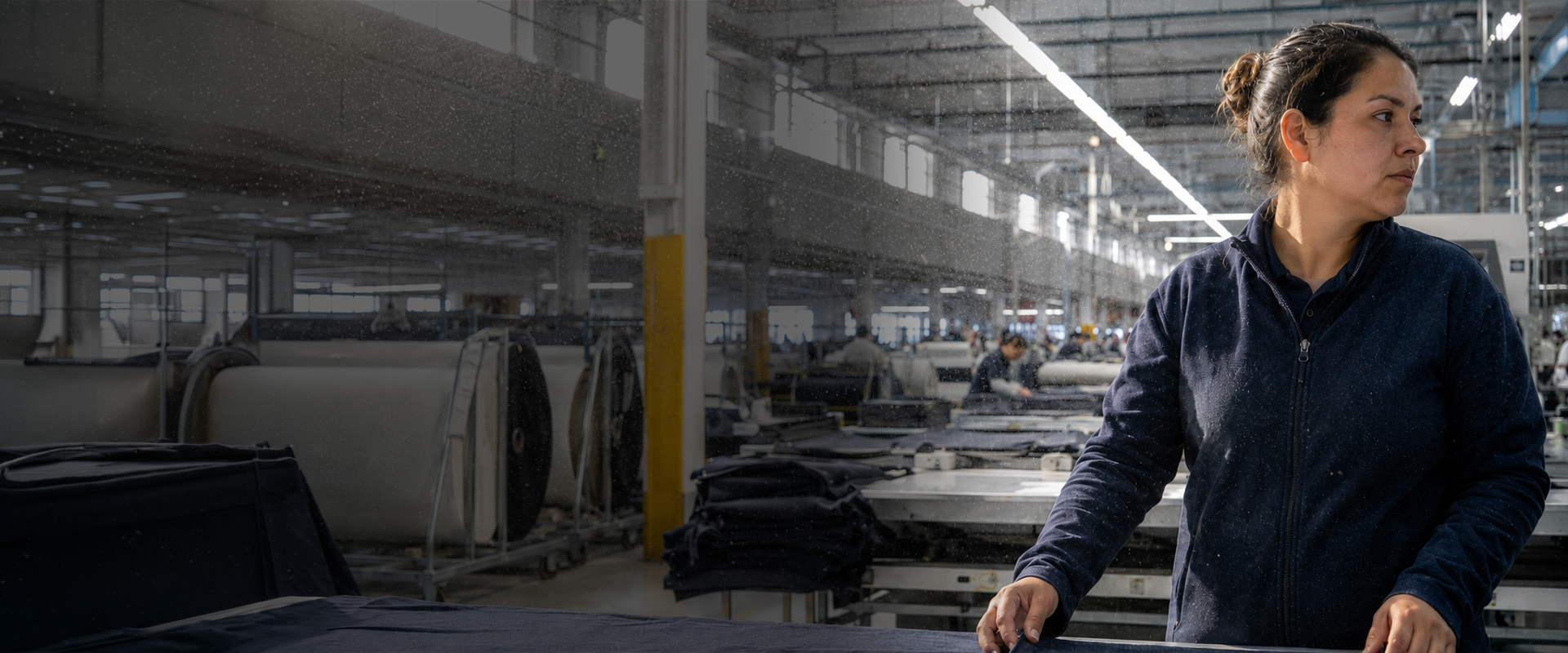
Worker walking through a textile factory hall with rows of machines
Worker standing in a dimly lit textile factory with rows of machines in the background

If fibres are settling on your machines, they've already travelled through your workplace.

The fibres you wipe from machines and surfaces are only what has already settled. Finer textile fibres can remain airborne, moving through production and into the air your people breathe.

Managing what settles is one thing. Understanding what's still in the air is another.

Discuss your air quality challenges

You see lint and fibres every day. But what settles only tells part of the story. Understanding what remains airborne, where it travels and who may be exposed requires looking beyond what you can see.

That's why understanding your workplace air quality is always the first step.

Understand what's really in your air.

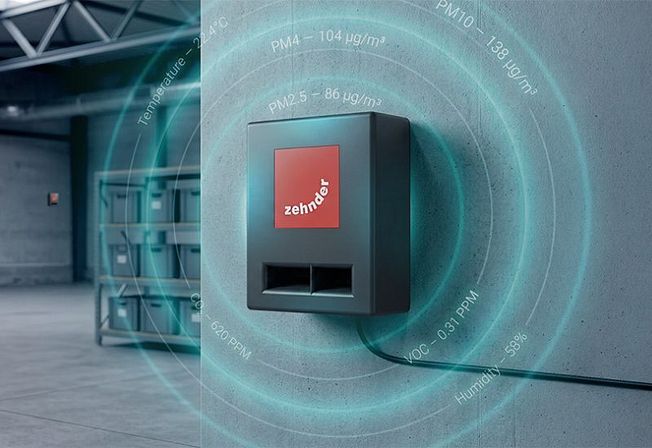
Air quality monitoring turns an invisible challenge into measurable insight, showing where airborne particle levels build up and how they change across textile and laundry operations.

It helps you:

  • Identify airborne particle hotspots across production
  • Compare production and laundry areas
  • Understand how levels change throughout the working day
  • Measure the effectiveness of existing controls
  • Make informed decisions with objective air data

Explore our industrial air quality monitors

Understand what's really in your air.

Industrial air quality monitors

Industrial air cleaning tackles the fibres that escape into shared air.

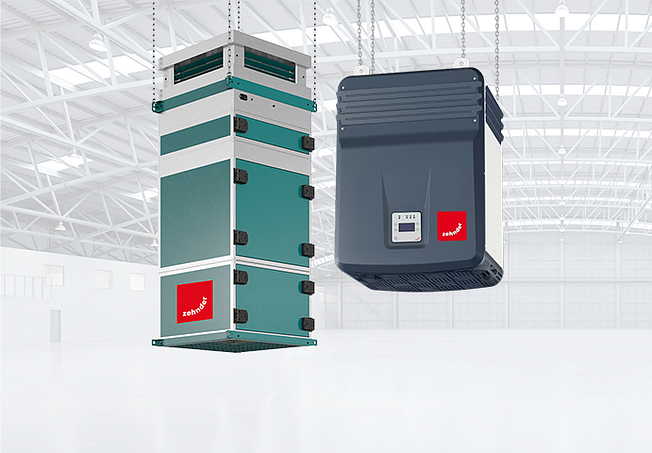
Zehnder CleanAir and CleanAir Max air purifiers compared

Industrial air cleaning tackles the fibres that escape into shared air.

Once you understand your air quality, you can take targeted action.

Industrial air cleaning continuously reduces airborne textile fibres, cotton dust and lint across your facility, complementing local extraction by cleaning the shared air beyond the source.

Discover our industrial air purifiers

See what cleaner air changes in textile and laundry facilities.

Questions we hear from textile and laundry companies every day.

Why are textile fibres found throughout our facility?

Fine textile fibres and lint can remain airborne and travel with airflow, machinery, vehicles and everyday movement. This allows them to spread beyond where they were generated and settle across the wider facility.

Why does lint keep building up on machines and ventilation ducts?

Airborne lint settles continuously on machinery, ductwork and overhead surfaces. What you can see is the material that has already settled – finer fibres may still be circulating in the workplace air.

Why do textile fibres increase cleaning and maintenance?

Fibres settle across machinery while accumulating around sensors, electrical cabinets and moving equipment. This increases housekeeping, machine cleaning and maintenance requirements throughout textile and laundry operations.

Is local extraction enough in textile manufacturing?

Local extraction remains essential for capturing fibres at source, but not every airborne particle is captured under real working conditions. Industrial air cleaning complements extraction by reducing fibres that escape and circulate through the wider workplace.

Why should manufacturers monitor air quality in textile and laundry facilities?

Air quality monitoring helps identify airborne particle hotspots and understand how levels change across different working areas. Objective data can then help prioritise improvements and measure their effectiveness.

How does cleaner air improve textile production?

Cleaner air helps reduce airborne fibre contamination and housekeeping demands while supporting equipment reliability, employee wellbeing and consistently high workplace standards.

What is the difference between cotton dust, lint and textile fibres?

Textile processes can release particles of different sizes and materials. Lint generally describes visible fibres that collect on surfaces, while finer textile fibres and cotton dust can remain airborne and become part of the workplace air.

Ready to improve air quality in your textile or laundry facility?

Every textile and laundry facility has its own air quality challenges. I'd be delighted to learn more about your processes, answer your questions and help you find the best way to reduce airborne textile fibres, cotton dust and lint across your workplace.

MCNCUVDDHYDJCHVATRHZEIOHXYYI?oid=00D24000000ef4qEAA&channelId=0ap08000000XZz7AAG
Ben Simons Country ManagerUnited Kingdom
MCNCUVDDHYDJCHVATRHZEIOHXYYI?oid=00D24000000ef4qEAA&channelId=0ap08000000XZz7AAG