





Food inspector checking dairies for food hygiene compliance

Air quality challenges in food and drink manufacturing

The air inside your facility affects more than people realise. Airborne food powders can influence compliance, product quality and the people behind your products.

The air inside your facility affects more than people realise. Airborne food powders can influence compliance, product quality and the people behind your products.

Airborne food powders travel further than you think.

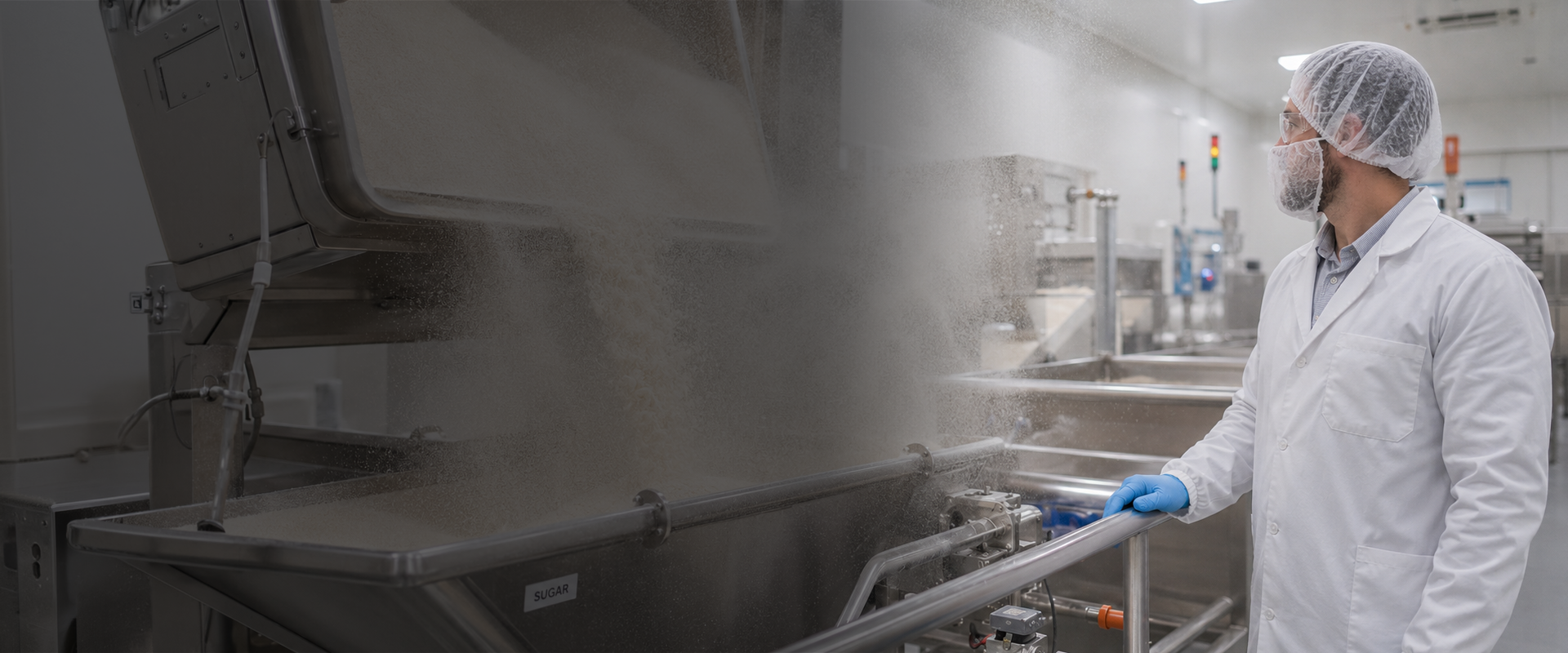
From receiving ingredients and weighing, to tipping and transferring flour, sugar, starch, milk powders and other powdered ingredients, almost every stage of food manufacturing releases fine airborne particles. These food powders do not always stay where they’re created, becoming part of the air throughout your production environment.  

Ingredient handling

Receiving, weighing, tipping and transferring flour, sugar, starch and other powdered ingredients release fine airborne food powders before production has even begun.

Production and packaging

Mixing, dry blending, ingredient transfer, filling and packaging generate airborne food powders throughout manufacturing and beverage manufacturing.

Beyond the production line

Air movement, forklifts and everyday activity allow airborne particles to spread beyond where they were created, reaching shared workspaces, pedestrian routes and neighbouring production areas.

When airborne particles put your food business at risk.

What starts as airborne food powders can quickly become one of your biggest air quality challenges, affecting compliance, product quality and the people behind every product you make.

Compliance and audit risksCompliance and preventive control

Whether producing baked goods, dairy products, beverages or confectionery, airborne particles can contribute to allergen cross-contact, environmental contamination and poor housekeeping, making it harder to demonstrate effective preventive controls during inspections and third-party audits.


Product qualityProduct quality and contamination

Fine airborne particles can settle on equipment, packaging lines and finished products, increasing the risk of contamination, product rejection and unnecessary waste.

Respiratory healthRespiratory health

Repeated exposure to flour, sugar, starch and other airborne food powders can irritate the respiratory system and increase long-term health risks for employees throughout the facility.

Cleaning and housekeepingHigher cleaning and maintenance costs

Airborne particles settle on equipment, electrical systems, overhead structures and HVAC systems, increasing cleaning effort, maintenance requirements and production downtime.

Lower productivity and efficiency Operational efficiency

Dust doesn't just create more cleaning. It interrupts production, increases downtime and reduces operational efficiency.

Compliance and audit risks

Compliance and preventive control

Whether producing baked goods, dairy products, beverages or confectionery, airborne particles can contribute to allergen cross-contact, environmental contamination and poor housekeeping, making it harder to demonstrate effective preventive controls during inspections and third-party audits.
Product quality

Product quality and contamination

Fine airborne particles can settle on equipment, packaging lines and finished products, increasing the risk of contamination, product rejection and unnecessary waste.

Respiratory health

Respiratory health

Repeated exposure to flour, sugar, starch and other airborne food powders can irritate the respiratory system and increase long-term health risks for employees throughout the facility.

Cleaning and housekeeping

Higher cleaning and maintenance costs

Airborne particles settle on equipment, electrical systems, overhead structures and HVAC systems, increasing cleaning effort, maintenance requirements and production downtime.

Lower productivity and efficiency

Operational efficiency

Dust doesn't just create more cleaning. It interrupts production, increases downtime and reduces operational efficiency.

Air quality challenges in food and drink
Air quality challenges in food and drink | Wake-up call | Mobile

Your ingredients belong in your products – not in your workplace air.

Airborne food powders don't stop where they're generated.

They move beyond ingredient handling and production, reaching packaging areas, shared workspaces and pedestrian routes, creating unnecessary risks for product quality, compliance and employee exposure.

Meeting compliance is expected. Protecting your people and products goes further.

Discuss your air quality challenges

Airborne food powders are part of food manufacturing. The challenge is knowing where exposure occurs, who it affects and how it impacts product quality, compliance and your people.

That’s why measuring workplace air quality is the first step towards tackling your air quality challenges.

Understand what’s really in your air.

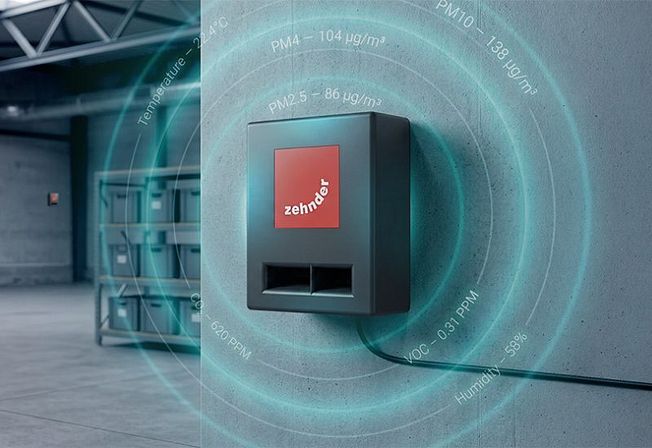
Air quality monitoring shows where airborne food powders are generated and where exposure is highest, giving you the evidence to make informed decisions.

It helps you:

  • Identify airborne particle hotspots across your facility
  • Understand exposure during different production processes
  • Compare ingredient handling, production, packaging and storage areas
  • Validate improvement measures with objective air quality data

Explore our industrial air quality monitors

Understand what’s really in your air.

Industrial air quality monitors

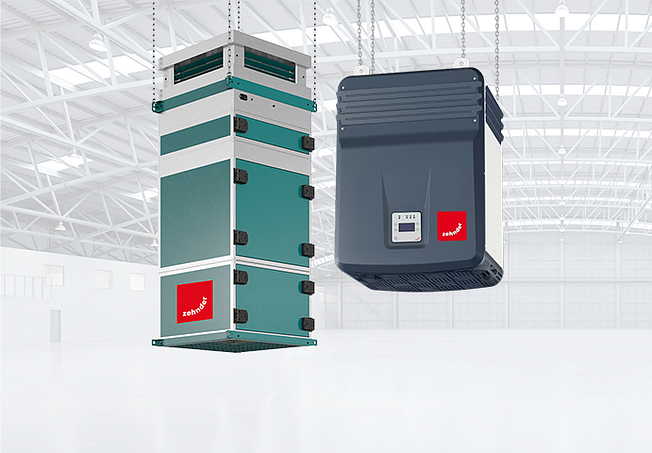
Industrial air cleaning protects people, products and compliance.

industrial-air-purifiers

Industrial air cleaning protects people, products and compliance.

Once you understand your exposure, you can take targeted action.

Industrial air cleaning continuously removes airborne food powders and fine airborne particles throughout your facility, helping protect product quality, support preventive controls and reduce employee exposure.

Discover our industrial air purifiers

See how cleaner air helps food manufacturers protect product quality.

Thanks to the clean working environment, we can offer our customers impeccable product quality.

Questions we hear from food and beverage manufacturers every day.

Why is workplace air quality important in food manufacturing?

Airborne food powders can affect compliance, employee health, product quality and operational efficiency. Understanding airborne exposure helps manufacturers make informed decisions that protect people, products and processes.

Where is flour dust generated?

Flour dust is released during ingredient receiving, weighing, tipping, sifting, mixing, transferring ingredients and cleaning activities.

Where are airborne food powders generated?

Food powders become airborne during receiving, weighing, tipping, transferring, blending and mixing. Flour, sugar dust, starch, milk powders, spices and other dry ingredients can all contribute.

Can airborne food particles affect compliance?

Yes. Airborne food particles can contribute to allergen cross-contact, contamination and poor housekeeping, making effective preventive controls harder to maintain and demonstrate.

Can food powders spread beyond where they’re handled?

Yes. Fine food powders can remain airborne and spread into production, packaging, storage and shared workspaces, exposing people and processes beyond the original source.

Is local extraction enough to control airborne food powders?

Local extraction is essential for capturing particles at the source, but some airborne food powders can still escape into the wider workplace. Additional measures may be needed to reduce exposure across the facility.

How can I identify air quality challenges in my facility?

Air quality monitoring can identify particle hotspots and show where exposure is highest across ingredient handling, production, packaging and storage areas.

Ready to tackle your food and beverage air quality challenges?

Every food and beverage facility has its own air quality challenges. I’d be delighted to learn more about your production environment, answer your questions and help you identify the best way to reduce airborne food powders and improve workplace air quality.

MCNCUVDDHYDJCHVATRHZEIOHXYYI?oid=00D24000000ef4qEAA&channelId=0ap08000000XZz7AAG
Ben Simons Country ManagerUnited Kingdom
MCNCUVDDHYDJCHVATRHZEIOHXYYI?oid=00D24000000ef4qEAA&channelId=0ap08000000XZz7AAG