
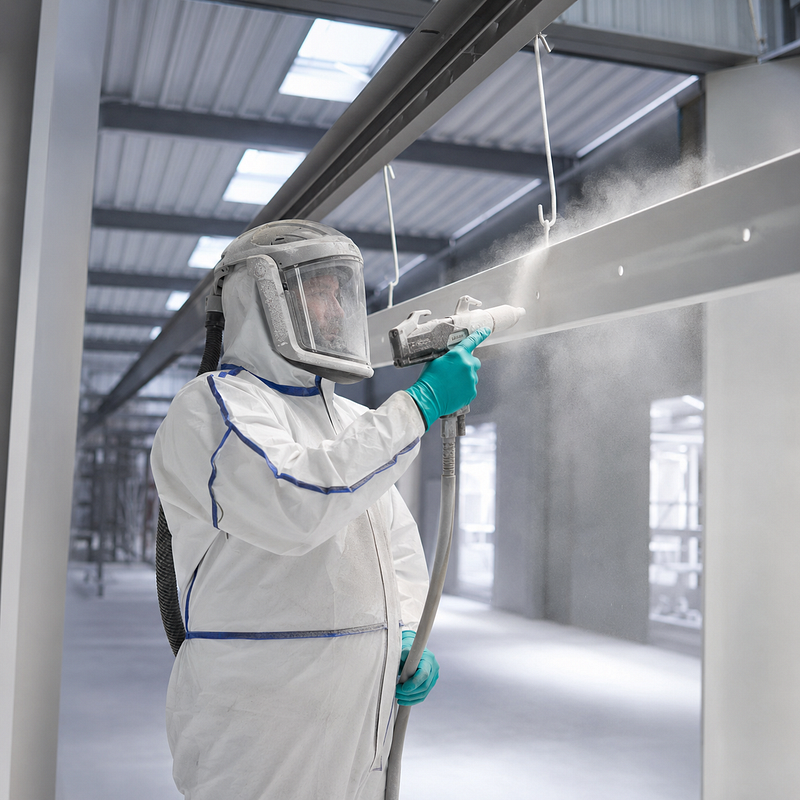







Employee in protective clothes coating components with spray paint

Air quality challenges in the coating and surface industry

Every coated component reflects your reputation for quality, durability and precision. Airborne contamination can compromise coating quality and surface finishing before, during and after the coating process.

Every coated component reflects your reputation for quality, durability and precision. Airborne contamination can compromise coating quality and surface finishing before, during and after the coating process.

Where do air quality challenges really begin in the coating industry?

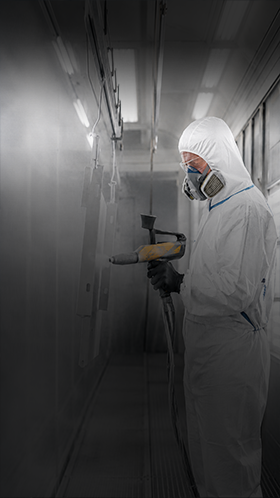
From surface preparation and blasting to grinding, finishing and material handling, airborne contamination can be introduced throughout the coating process. By the time a component reaches the coating line or cleanroom, fine particles may have already compromised coating quality and surface finishing.

Surface preparation

Preparing a component for coating can involve blasting, grinding, cleaning and other treatment steps. Each process can introduce particles that need to be controlled before the surface is ready for the next stage.

Blasting operations

Sandblasting and abrasive blasting can generate particularly high concentrations of fine dust and blasting media. Without effective containment and extraction, particles can escape the blasting area and contribute to contamination elsewhere in the facility.

Grinding and surface finishing

Grinding, polishing, deburring and surface finishing processes generate fine metallic particles that can contaminate nearby workstations and production areas.

Cleaning, inspection and masking

A perfectly prepared component can become contaminated before coating even begins. During cleaning, inspection and masking, airborne particles can settle on prepared surfaces and undo the work that's already been done.

Material handling and internal transport

Every movement creates another opportunity for contamination. Conveyors, trolleys, forklifts and manual handling can transfer airborne particles between production areas before components reach the coating line.

Incoming and outgoing goods

Packaging materials, pallets and transport containers can introduce and redistribute dust throughout the facility, increasing the risk of contamination before and after coating.

When airborne contamination costs more than coating quality.

Airborne contamination affects more than the finish. It can reduce first-pass yield, increase rework, compromise coating quality and make it harder to deliver the consistent results your customers expect.

Coating adhesionCoating adhesion

Every high-performance coating depends on a perfectly prepared surface. Even microscopic airborne particles can interfere with adhesion, increasing the risk of coating defects, rework and recoating.


Product integritySurface finishing integrity

Even the smallest airborne particles can cause inclusions, imperfections and inconsistent surface finishing, leading to additional polishing, refinishing or rejection.

First-pass yield First-pass yield

Airborne contamination makes consistent coating quality harder to achieve. As contamination increases, first-pass yield falls while rework and production delays rise.

Product reworkRe-work and throughput

Every rejected component costs time. Additional blasting, cleaning, recoating and inspection reduce throughput and consume valuable production capacity.

Equipment reliabilityEquipment reliability

Airborne particles accumulate on machinery, conveyors, automation equipment and sensitive production systems. Increased dust exposure accelerates wear, maintenance requirements and unplanned downtime.

Dissatisfied customers and bad reputationCustomer satisfaction

Customers expect flawless coating quality every time. Airborne contamination increases the risk of defects, rejected parts and delayed deliveries.

Coating adhesion

Coating adhesion

Every high-performance coating depends on a perfectly prepared surface. Even microscopic airborne particles can interfere with adhesion, increasing the risk of coating defects, rework and recoating.

Product integrity

Surface finishing integrity

Even the smallest airborne particles can cause inclusions, imperfections and inconsistent surface finishing, leading to additional polishing, refinishing or rejection.

First-pass yield

First-pass yield

Airborne contamination makes consistent coating quality harder to achieve. As contamination increases, first-pass yield falls while rework and production delays rise.

Product rework

Re-work and throughput

Every rejected component costs time. Additional blasting, cleaning, recoating and inspection reduce throughput and consume valuable production capacity.

Equipment reliability

Equipment reliability

Airborne particles accumulate on machinery, conveyors, automation equipment and sensitive production systems. Increased dust exposure accelerates wear, maintenance requirements and unplanned downtime.

Dissatisfied customers and bad reputation

Customer satisfaction

Customers expect flawless coating quality every time. Airborne contamination increases the risk of defects, rejected parts and delayed deliveries.

Air quality challenges in coating and surface technology
Air quality challenges in coating and surface technology | Wake-up call | Mobile

Every coating is only as good as the surface beneath it. Make sure your air supports it.

Airborne particles don't stop at blasting booths.

They move through surface preparation, inspection, masking, storage and coating areas before settling on prepared components. Protecting coating quality starts by reducing airborne contamination throughout the entire production process.

Compliance sets the standard. Protecting your people goes further.

Discuss your air quality challenges

Blasting, grinding and surface finishing all generate airborne particles. The challenge is knowing where they go next, and how they affect coating adhesion, surface quality and first-pass yield.

That's why measuring workplace air quality is the first step towards tackling your air quality challenges.

Understand what’s really in your air.

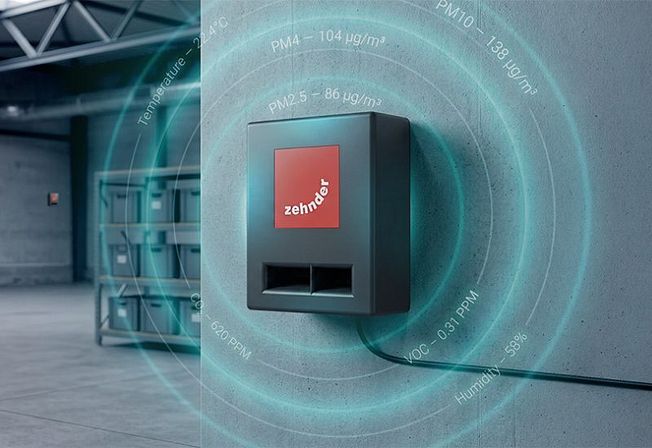
Air quality monitoring provides objective insight into airborne contamination throughout coating and surface treatment operations.

It helps you:

  • Identify particle hotspots across blasting, grinding and finishing processes
  • Compare contamination levels between production areas
  • Understand how airborne particles move through your facility
  • Measure the effectiveness of existing dust control measures
  • Prioritise improvements using objective air quality data

Explore our industrial air quality monitors

Understand what’s really in your air.

Industrial air quality monitors

Industrial air cleaning supports cleaner coating and surface treatment environments.

industrial-air-purifiers

Industrial air cleaning supports cleaner coating and surface treatment environments.

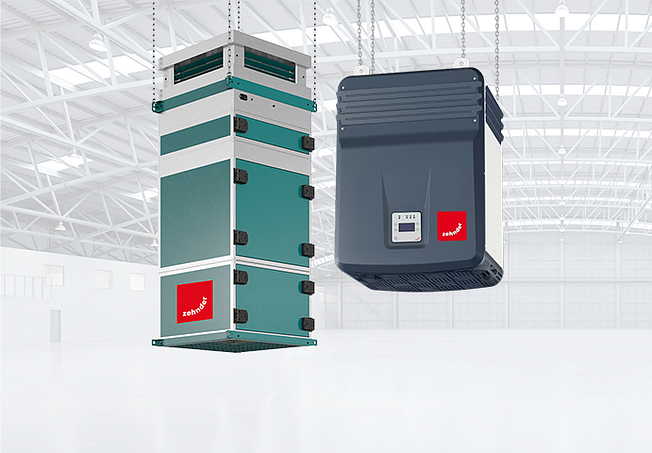
Industrial air cleaning continuously removes airborne particles before they settle on prepared components, production equipment and finished products.

Cleaner air helps improve coating adhesion, reduce rework, increase first-pass yield and create the stable production conditions required for consistent coating quality.

Discover our industrial air purifiers

See how cleaner air helps manufacturers achieve consistent coating quality.

The industrial air cleaning systems from Zehnder are helping us in our quest to remain pioneers within the surface coatings sector.

Questions we hear from coating and surface technology manufacturers every day.

Why do coating defects still occur even after components have been cleaned?

Cleaning removes existing contamination, but airborne particles can settle again before coating. Dust from blasting, grinding or nearby processes can compromise adhesion, surface finishing and coating quality.

Which production steps generate the greatest risk of particle contamination?

Surface preparation is often a major source. Sandblasting, microblasting, grinding, polishing and deburring can release fine airborne particles into surrounding production areas.

Can airborne particles affect coating adhesion?

Yes. Even microscopic particles can interfere with the bond between the substrate and coating, increasing the risk of poor adhesion, rework and rejected parts.

Why is background dust still a problem with extraction?

Extraction captures dust at the source, but some particles can still escape. Airflow, handling and movement can then redistribute them throughout the facility.

Why should coating facilities monitor airborne particles outside the coating line?

Because contamination often starts earlier. Monitoring across surface treatment, transport, staging and coating areas can reveal hotspots before they affect coating quality.

How can particle contamination influence ISO coating specifications or customer acceptance criteria?

Many customers specify strict requirements for coating appearance, adhesion and surface quality. Airborne contamination increases the risk of defects that require additional inspection or fail customer acceptance criteria, particularly for components used in automotive, aerospace, medical technology and precision engineering applications.

Why is surface preparation often more critical than the coating process itself?

Even the most advanced PVD, CVD or thermal spray technology cannot compensate for contamination already present on the substrate. Coating performance depends on a clean, stable surface. Controlling airborne particles during blasting, grinding, cleaning and handling helps create the conditions needed for consistent adhesion and high-quality surface finishes.

Ready to improve air quality throughout your coating facility?

Every coating facility has its own air quality challenges. I’d be delighted to learn more about your processes and help you identify the best way to reduce airborne contamination, protect coating quality and support more consistent surface finishing.

MCNCUVDDHYDJCHVATRHZEIOHXYYI?oid=00D24000000ef4qEAA&channelId=0ap08000000XZz7AAG
Ben Simons Country ManagerUnited Kingdom
MCNCUVDDHYDJCHVATRHZEIOHXYYI?oid=00D24000000ef4qEAA&channelId=0ap08000000XZz7AAG