






clean air solutions construction supplies respirable crystalline silica 1

Air quality challenges in the building materials industry

Every tonne of raw material you move creates airborne dust. Managing exposure is one of the biggest air quality challenges in building materials manufacturing.

Every tonne of raw material you move creates airborne dust. Managing exposure is one of the biggest air quality challenges in building materials manufacturing.

Where air quality challenges begin in building materials industry.

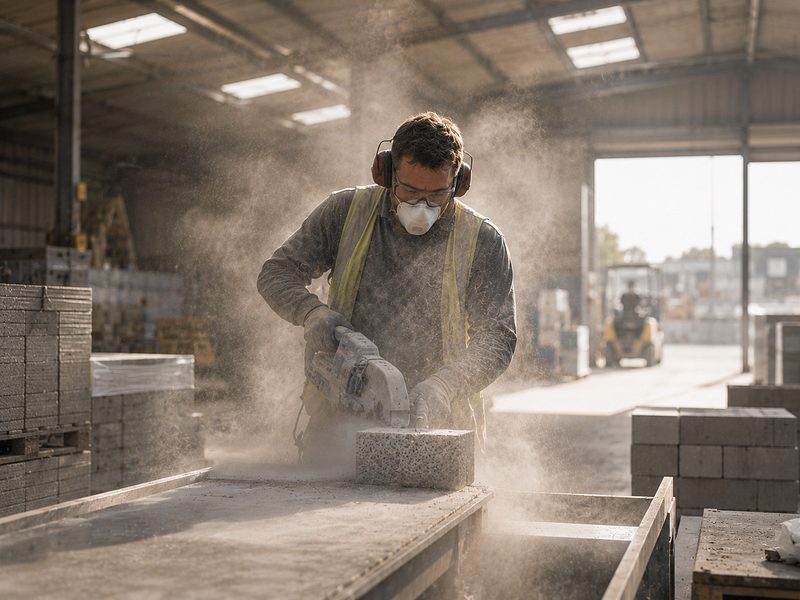
From unloading raw materials and crushing stone to grinding, batching, conveying, bagging and storage, almost every stage of production creates airborne dust. While extraction systems capture dust at many emission points, some silica dust, cement dust, lime dust and mineral dust remain airborne, becoming part of the air your people breathe.

Raw material handling

Receiving, unloading and transferring aggregates, limestone, sand and other minerals releases airborne dust before production has even begun.

Crushing, grinding and milling

Breaking down raw materials generates large quantities of respirable crystalline silica dust, and other mineral dust that can remain airborne long after processing has finished.

Mixing and batching

Adding dry powders to mixers and batching systems releases cement dust, lime dust and other fine particles into surrounding production areas.

Conveying and storage

Transfer points, conveyors, bucket elevators and silos continuously release airborne dust as materials move through the plant.

Packaging and palletising

Bag filling, sealing and pallet handling release airborne dust around packaging lines and finished goods areas.

Material movement

Dust doesn't stay settled for long. Every movement of materials can put fine particles back into the air.

Why extraction systems don’t stop air quality challenges.

Every tonne of material moves your business forward. Make sure it doesn't compromise the air your people breathe. Extraction systems capture dust at the source, but the finest silica dust, cement dust, lime dust and mineral dust still escape into the wider workplace.

Employee health and retentionEmployee health

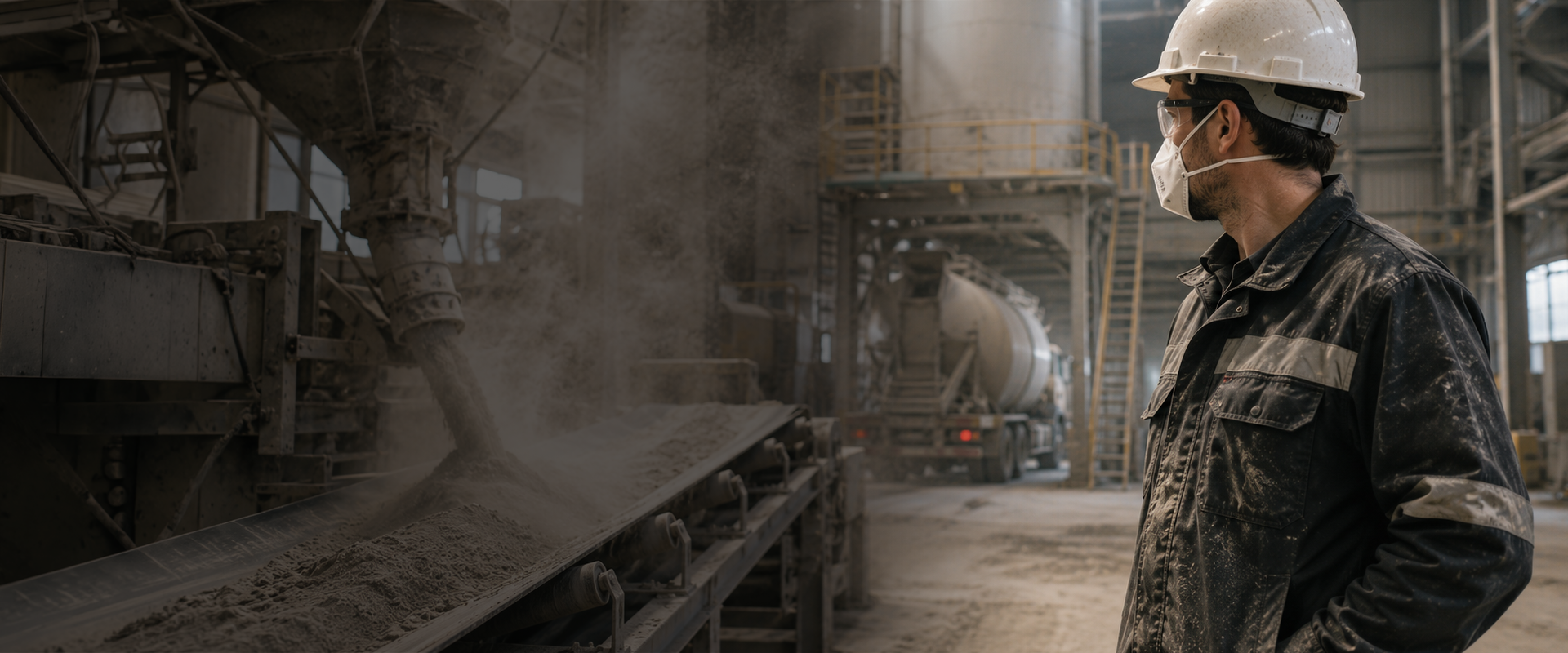
The people most exposed aren't always the people creating the dust. Production teams, maintenance technicians, forklift drivers, warehouse operators, quality teams and contractors are all unprotected and can all be exposed throughout the working day.


Compliance and audit risksCompliance

Exposure limits apply to people, not processes. Even when dust is captured at the source, airborne particles can still contribute to employee exposure elsewhere in the facility. 

Equipment reliabilityEquipment reliability

Fine mineral dust enters motors, bearings, electrical cabinets and control systems. Over time, it increases wear, maintenance requirements and unexpected downtime.

Cleaning and housekeepingHousekeeping

Dust accumulates on floors, conveyors, structural steel, production equipment and overhead surfaces before becoming airborne again through normal plant activity. Good housekeeping becomes a continuous task.

Lower productivity and efficiency Productivity

Dust affects daily operations in ways that aren't always obvious. More cleaning. More maintenance. More downtime. Less time focused on production.

Operational costs and costly infrastructureOperational costs

Airborne dust increases cleaning, maintenance and production interruptions, creating hidden costs across the facility.

Employee health and retention

Employee health

The people most exposed aren't always the people creating the dust. Production teams, maintenance technicians, forklift drivers, warehouse operators, quality teams and contractors are all unprotected and can all be exposed throughout the working day.

Compliance and audit risks

Compliance

Exposure limits apply to people, not processes. Even when dust is captured at the source, airborne particles can still contribute to employee exposure elsewhere in the facility. 

Equipment reliability

Equipment reliability

Fine mineral dust enters motors, bearings, electrical cabinets and control systems. Over time, it increases wear, maintenance requirements and unexpected downtime.

Cleaning and housekeeping

Housekeeping

Dust accumulates on floors, conveyors, structural steel, production equipment and overhead surfaces before becoming airborne again through normal plant activity. Good housekeeping becomes a continuous task.

Lower productivity and efficiency

Productivity

Dust affects daily operations in ways that aren't always obvious. More cleaning. More maintenance. More downtime. Less time focused on production.

Operational costs and costly infrastructure

Operational costs

Airborne dust increases cleaning, maintenance and production interruptions, creating hidden costs across the facility.

Air quality challenges in building supplies manufacturing
Air quality challenges in building supplies manufacturing | Wake-up call | Mobile

The people most exposed aren't always the people creating the dust.

Silica dust, cement dust, lime dust and mineral dust don't stay where they're generated.

Airborne particles move beyond the process, reaching production halls, warehouses, loading areas, maintenance workshops and other shared workspaces, often exposing people far from the original source.

Understanding where airborne dust ends up is the first step towards reducing exposure across your facility.

Discuss your air quality challenges

Dust is part of the process. The challenge is knowing where it goes next, who it reaches and how exposure changes throughout the working day.

That's why measuring workplace air quality is the first step towards tackling your air quality challenges.

Understand the air your people share.

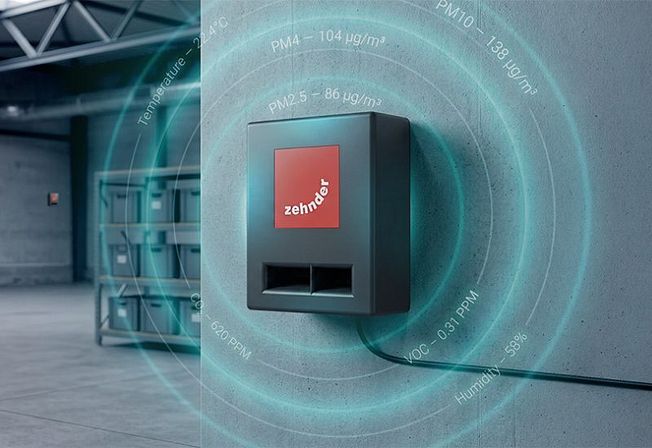
You can’t improve what you can’t see. Air quality monitoring shows where silica dust, cement dust, lime dust and mineral dust are generated and where exposure is highest, giving you the evidence to make informed decisions.


It helps you:

  • Identify airborne dust hotspots
  • Compare exposure across production areas
  • Understand where dust exposure is highest Validate improvement measures using objective data
  • Support operational decisions with measurable evidence

Explore our industrial air quality monitors

Understand the air your people share.

Industrial air quality monitors

Industrial air cleaning protects people, products and productivity.

industrial-air-purifiers

Industrial air cleaning protects people, products and productivity.

Once you understand your workplace air, you can improve it.

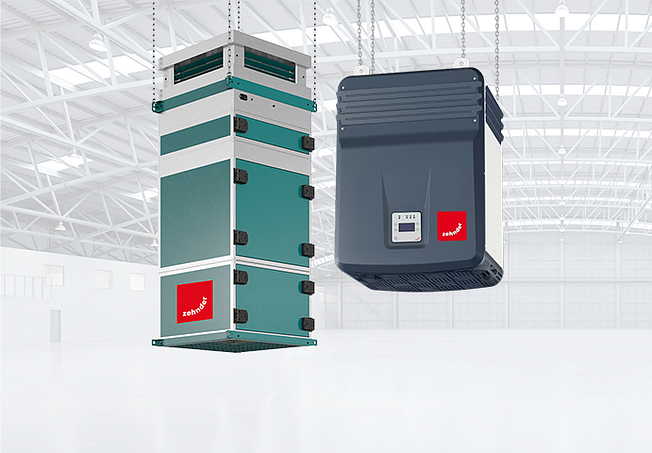
Industrial air cleaning works alongside existing extraction systems, continuously removing silica, cement, lime and mineral dust throughout your production environment.

Discover our industrial air purifiers

What cleaner air makes possible.

With the regular replacement of the filters by the service technicians, we were able to see for ourselves how effective the air cleaning systems are. If all of this dust wasn't filtered out, it would still be floating in the air that local people breathe. 

Questions we hear from building materials manufacturers every day.

What are the biggest air quality challenges in the building materials industry?

Airborne dust is generated throughout almost every stage of production. Crushing, grinding, screening, mixing, conveying, packaging and material handling all release fine particles into the workplace. While extraction systems capture dust at the source, some airborne contamination continues to travel throughout the facility.

Why is silica dust a concern in building materials manufacturing?

Respirable crystalline silica is generated when materials such as sand, aggregates, concrete and clay are handled or processed. The finest particles remain airborne for longer, contributing to workplace exposure beyond the original process.

What is cement dust?

Cement dust is released during handling, mixing, conveying and packaging. While larger particles settle quickly, finer airborne dust can remain suspended and spread throughout the workplace.

What is lime dust?

Lime dust is released during the production, transport and handling of quicklime, hydrated lime and lime-based products. Fine airborne particles can travel through production halls and contribute to workplace exposure if they are not effectively controlled.

What is mineral dust?

Mineral dust is generated when materials such as limestone, gypsum, clay, sand and cement are processed. Depending on particle size, it can remain airborne and spread throughout the facility.

Can mineral dust travel beyond the production process?

Yes. Airflow, conveyors, forklifts and everyday activity can carry airborne mineral dust beyond where it's generated, exposing people working throughout the facility.

Isn't extraction enough to control airborne mineral dust?

Extraction systems remain one of the most effective ways to capture mineral dust at the source. However, no extraction system captures every airborne particle under real production conditions. Dust that escapes source capture can continue circulating through the workplace.

Why is air quality monitoring important in building materials manufacturing?

Air quality monitoring shows where airborne dust is generated, where exposure occurs and how it changes throughout the working day. This helps manufacturers prioritise improvements with confidence.

How can I improve air quality in my building materials facility?

Cleaner workplace air starts with understanding your exposure. Combining source capture, good housekeeping, air quality monitoring and industrial air cleaning helps reduce airborne dust throughout the facility.

Ready to improve air quality across your building materials facility?


Every facility has its own air quality challenges. I'd be delighted to learn more about your production environment and help you find the best way to protect your people, your production and your workplace from airborne silica dust, cement dust, lime dust and mineral dust.

MCNCUVDDHYDJCHVATRHZEIOHXYYI?oid=00D24000000ef4qEAA&channelId=0ap08000000XZz7AAG
Ben Simons Country ManagerUnited Kingdom
MCNCUVDDHYDJCHVATRHZEIOHXYYI?oid=00D24000000ef4qEAA&channelId=0ap08000000XZz7AAG