






Two female bakers smiling with dough in their hands

Air quality challenges in bakeries

Flour dust is part of every bakery. The challenge isn't creating it – it's preventing it from becoming part of the air your people breathe.

Flour dust is part of every bakery. The challenge isn't creating it – it's preventing it from becoming part of the air your people breathe.

Flour dust is created long before the first loaf is baked.

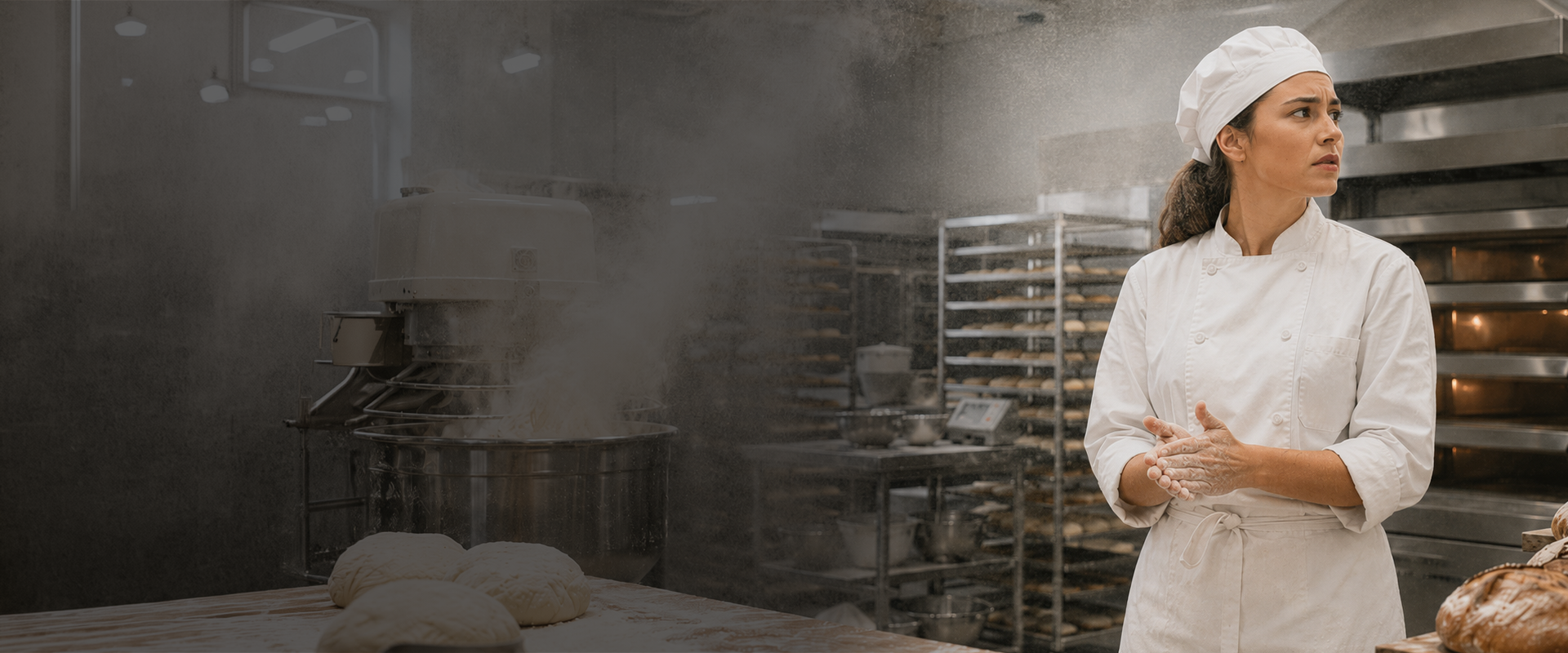
From receiving ingredients to end-of-shift cleaning, flour dust is part of everyday bakery production. While larger particles settle quickly, finer particles remain airborne, travelling beyond where they were created and affecting more than the baking process.

Flour weighing and tipping

Opening bags, pouring flour and transferring ingredients release fine airborne dust before production has even begun.

Mixing and dough preparation

Mixing and dough preparation keep fine flour dust particles airborne, allowing them to travel beyond the mixing area and into the wider bakery.

Challenges beyond the source

Once airborne, flour dust rarely stays where it's generated. Air movement, people and everyday activities in bakeries, allow fine particles to spread throughout your facility, reaching areas far beyond the original process.

When flour dust starts affecting your business.

The true cost of flour dust isn't always visible, but its impact can be felt across your people, your processes and your bakery every day.  

Respiratory health

Repeated exposure to flour dust can irritate the airways and is one of the leading causes of occupational asthma in the baking industry, also known as baker’s asthma.


Higher cleaning and maintenance costs

Airborne flour dust settles on equipment, overhead structures and ventilation systems, increasing cleaning, maintenance and production downtime.

Operational efficiency

Flour dust is one of the most common air quality challenges in bakeries. It increases cleaning interruptions, contributes to equipment contamination and can reduce overall production efficiency.

Compliance and audit risks

Poor control of flour dust can make it more difficult to demonstrate compliance with occupational exposure requirements and workplace health and safety regulations during inspections or audits.

Employee retention and wellbeing

Flour dust can affect employee comfort, wellbeing and the overall working environment. Over time, it can make it harder to attract and retain skilled people.

Respiratory health

Repeated exposure to flour dust can irritate the airways and is one of the leading causes of occupational asthma in the baking industry, also known as baker’s asthma.

Higher cleaning and maintenance costs

Airborne flour dust settles on equipment, overhead structures and ventilation systems, increasing cleaning, maintenance and production downtime.

Operational efficiency

Flour dust is one of the most common air quality challenges in bakeries. It increases cleaning interruptions, contributes to equipment contamination and can reduce overall production efficiency.

Compliance and audit risks

Poor control of flour dust can make it more difficult to demonstrate compliance with occupational exposure requirements and workplace health and safety regulations during inspections or audits.

Employee retention and wellbeing

Flour dust can affect employee comfort, wellbeing and the overall working environment. Over time, it can make it harder to attract and retain skilled people.

Air quality challenges in bakeries

The flour you bake with belongs in your products, not in the air your people breathe.

Every working day, flour dust moves beyond the process that created it. That means exposure isn't limited to ingredient handling, it can continue wherever airborne particles travel.

Compliance sets the standard. Protecting your people goes further.

Discuss your air quality challenges

Knowing flour dust is present isn't the challenge. Seeing where it's generated, how it moves and who it reaches is.

That's why monitoring your air is the first step towards tackling the air quality challenges created in your bakery.

Understand what’s really in your air.

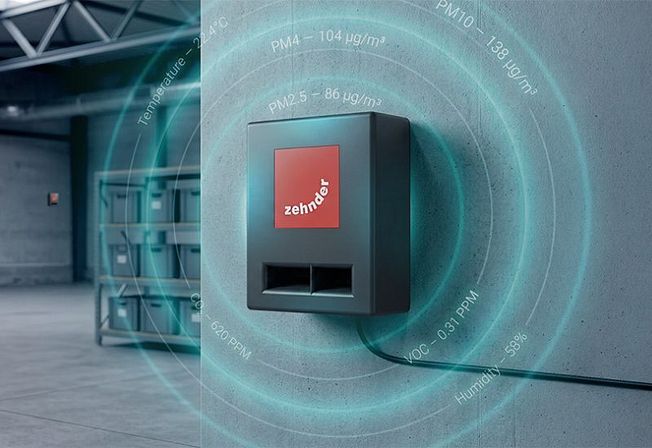
Air quality monitoring shows you where flour dust is generated, how it moves and where exposure occurs. It replaces assumptions with evidence, helping you tackle air quality challenges with confidence.

It helps you:

  • Identify flour dust hotspots across your bakery
  • Understand employee exposure during different processes
  • Compare production, packing and storage areas
  • Validate improvement measures with objective data
  • Make informed health and safety decisions

Explore our industrial air quality monitors

Understand what’s really in your air.

Industrial air quality monitors

Industrial air cleaning protects everyone.

industrial-air-purifiers

Industrial air cleaning protects everyone.

Once you understand where exposure occurs in your facility, you can take targeted action with confidence.

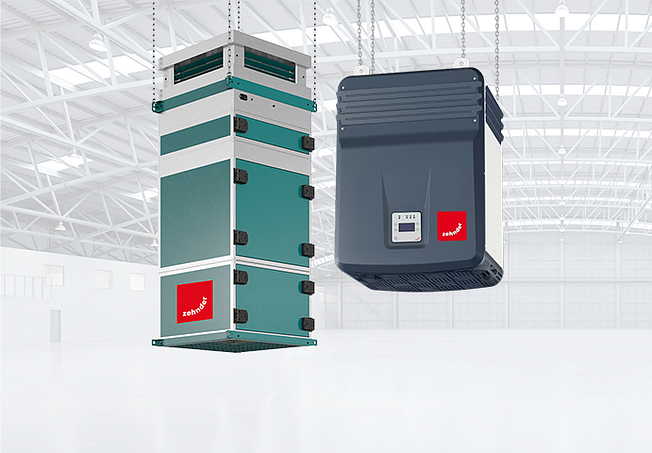
ndustrial air cleaning continuously removes airborne flour dust throughout your bakery, helping reduce employee exposure while supporting cleaner production areas, more efficient operations and a healthier working environment, even beyond the reach of local extraction alone.

Discover our industrial air purifiers

Helping bakeries protect what matters.

We believe it’s crucial to prioritise both environmental sustainability and the well- being of our employees. Our commitment to CO2 neutrality is just one example. Zehnder Clean Air Solutions’ air purifiers align perfectly with this vision. They’re sustainable, energy-efficient, and contribute significantly to a healthier workplace.

Questions we hear from bakeries every day.

Is flour dust harmful?

Yes. Repeated exposure to airborne flour dust can irritate the respiratory system and is a recognised cause of occupational asthma, commonly known as baker’s asthma, among bakery workers.

Where is flour dust generated?

Flour dust is released during ingredient receiving, weighing, tipping, sifting, mixing, transferring ingredients and cleaning activities.

Why doesn't flour dust stay where it's generated?

Fine flour dust can remain airborne, travelling with airflow and everyday bakery activity well beyond the original source.

Is local extraction enough to prevent flour dust exposure?

Local extraction captures dust at individual sources, but airborne particles can still escape into the wider workplace. Understanding overall exposure helps identify where additional measures may be needed.

Why should we monitor air quality in bakeries?

Measuring workplace air quality provides objective evidence of where exposure occurs, helping bakeries prioritise improvements and protect employee health.

Ready to improve your bakery's air quality?

Every bakery has its own air quality challenges. I'd be delighted to learn more about yours and help you understand the best way to protect your people, your production and your workplace from flour dust.

MCNCUVDDHYDJCHVATRHZEIOHXYYI?oid=00D24000000ef4qEAA&channelId=0ap08000000XZz7AAG
Ben Simons Country ManagerUnited Kingdom
MCNCUVDDHYDJCHVATRHZEIOHXYYI?oid=00D24000000ef4qEAA&channelId=0ap08000000XZz7AAG