






Air quality challenges in the packaging industry

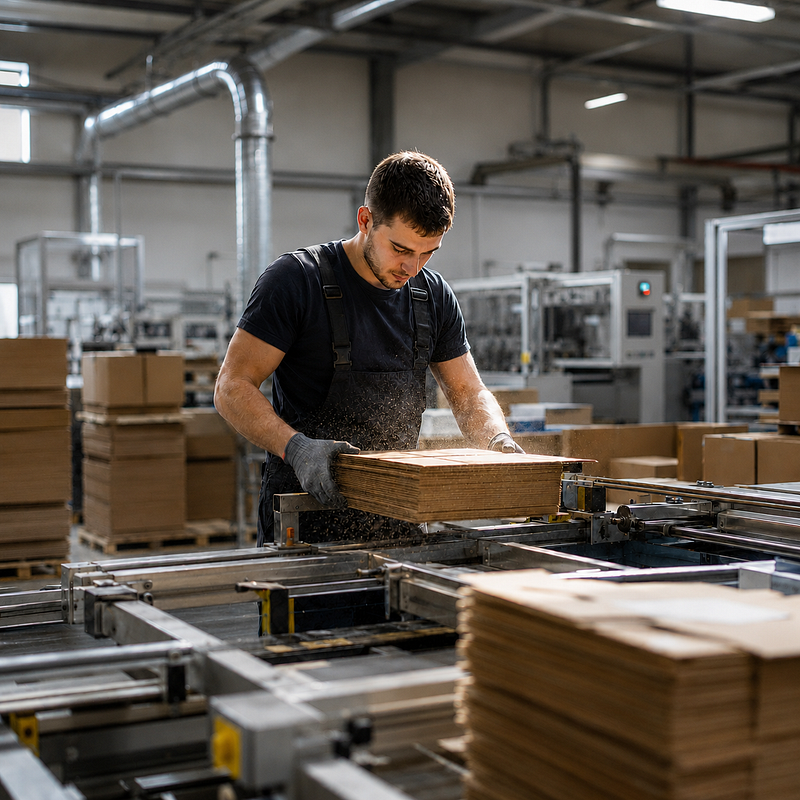
Every cut, fold, print and glue application creates paper dust, cardboard dust or ink mist. The finished packaging moves down the line, but airborne contamination can remain in the workplace.

Air quality challenges in packaging industry

Paper dust, cardboard dust and ink mist travel further than you think.

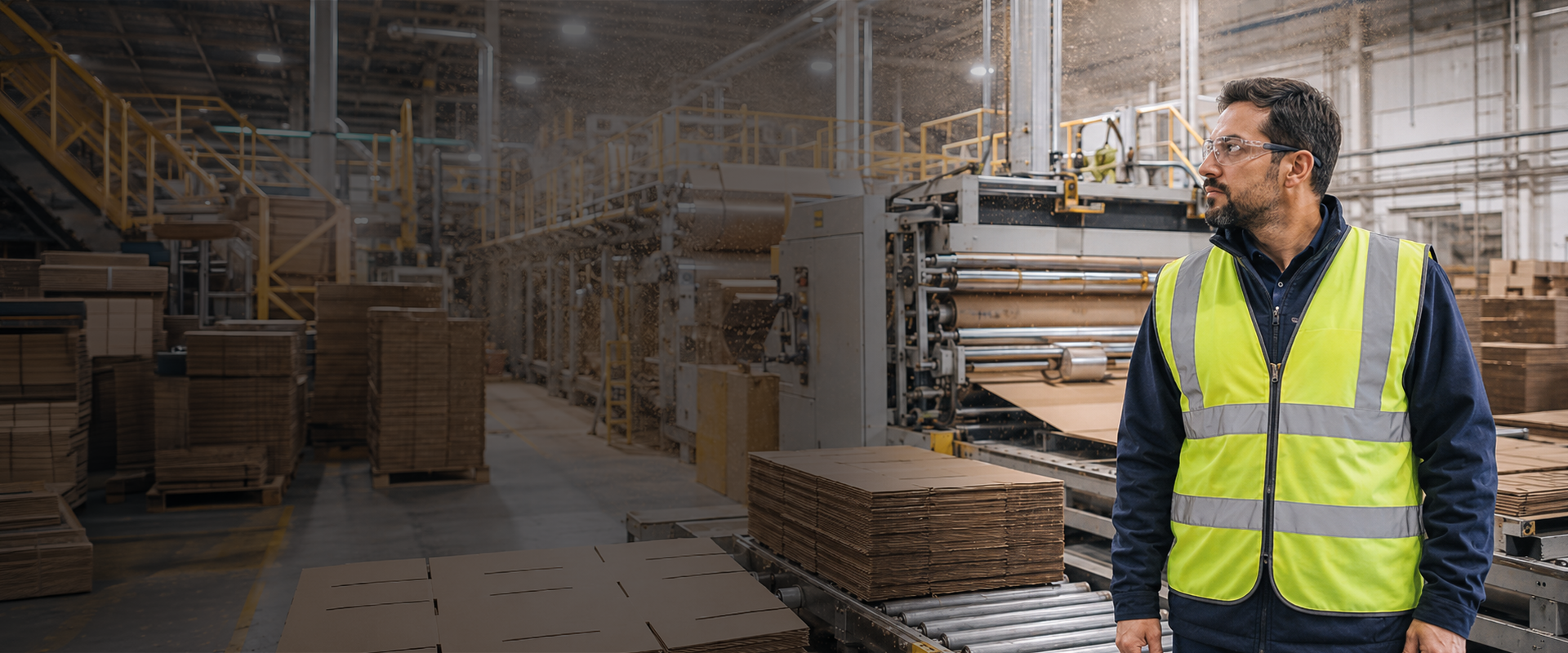
Corrugating, die-cutting, printing and finishing all generate airborne contamination. Fine particles can travel beyond the process and become part of the air your people breathe.

Cutting and die-cutting

Every cut creates more than the finished shape. Cutting, die-cutting and trimming release paper dust, cardboard dust and fine fibres into the production air.

Corrugating

Paper and cardboard moving at speed through corrugating lines can generate dust and fibres as materials are formed, cut and processed.

Printing

Packaging printing brings its own air quality challenges, with paper dust, fine fibres and ink mist entering the surrounding production environment.

Converting

Slitting, folding, creasing and other converting processes continually disturb paper and board, releasing fine dust and fibres during production.

Folding and gluing

Continuous handling through folding and gluing lines can release paper fibres and disturb dust already present on packaging materials and equipment.

Material handling

Dust generation doesn't stop when processing does. Moving reels, sheets, finished packaging and production waste can disturb settled dust and put fine particles back into the air.

When paper and cardboard dust affect your entire operation.

Dust may start with production, but its impact doesn't stop there. Across packaging manufacturing, airborne contamination can affect people, machinery, quality, safety and productivity.

Cleaning and housekeepingHousekeeping

Every hour spent chasing dust is an hour taken away from production. Continuous build-up on machinery, production lines, floors and overhead surfaces can turn housekeeping into a constant demand on your team.


Equipment reliabilityMachinery reliability

Packaging lines rely on sensors, electronics and precision machinery. Fine dust can contaminate sensitive equipment, increasing maintenance, unexpected stoppages and the risk of costly downtime.

Fire riskFire risk

Combustible dust doesn't only accumulate where it's easy to see. Paper and cardboard dust can build up on machinery, electrical installations and overhead structures, creating an additional fire risk across the facility.

Employee health and retentionEmployee wellbeing

Your people spend entire shifts in the same environment as paper dust, cardboard dust and, in packaging printing, ink mist. What becomes part of the workplace air becomes part of their working day.

Product qualityPrint quality

Precision printing leaves little room for contamination. Paper dust and ink mist can interfere with printing equipment and settle on printed surfaces, affecting consistency and increasing cleaning and rework.

Lower productivity and efficiency Productivity

One cleaning stop or contaminated sensor might seem small. Across a high-output packaging line, repeated interruptions can quickly add up to lost production time.

Cleaning and housekeeping

Housekeeping

Every hour spent chasing dust is an hour taken away from production. Continuous build-up on machinery, production lines, floors and overhead surfaces can turn housekeeping into a constant demand on your team.

Equipment reliability

Machinery reliability

Packaging lines rely on sensors, electronics and precision machinery. Fine dust can contaminate sensitive equipment, increasing maintenance, unexpected stoppages and the risk of costly downtime.

Fire risk

Fire risk

Combustible dust doesn't only accumulate where it's easy to see. Paper and cardboard dust can build up on machinery, electrical installations and overhead structures, creating an additional fire risk across the facility.

Employee health and retention

Employee wellbeing

Your people spend entire shifts in the same environment as paper dust, cardboard dust and, in packaging printing, ink mist. What becomes part of the workplace air becomes part of their working day.

Product quality

Print quality

Precision printing leaves little room for contamination. Paper dust and ink mist can interfere with printing equipment and settle on printed surfaces, affecting consistency and increasing cleaning and rework.

Lower productivity and efficiency

Productivity

One cleaning stop or contaminated sensor might seem small. Across a high-output packaging line, repeated interruptions can quickly add up to lost production time.

Air quality challenges in packaging
Air quality challenges in packaging | Wake-up call | Mobile

If paper and cardboard dust have settled on your machinery, they have already travelled through your workplace.

The paper dust you wipe off your equipment is only the part that has already settled. Fine particles remain airborne, travelling throughout production and into the breathing zone of everyone working nearby.

Compliance isn't the finish line. Leading packaging manufacturers look beyond visible dust to the airborne contamination that can reach people, machinery and finished products

Discuss your air quality challenges

Visible paper or cardboard dust only tells part of the story. What matters is knowing where airborne contamination is highest and how exposure changes across your production environment.

That's why measuring workplace air quality is the first step towards tackling your air quality challenges.

Understand what’s really in your air.

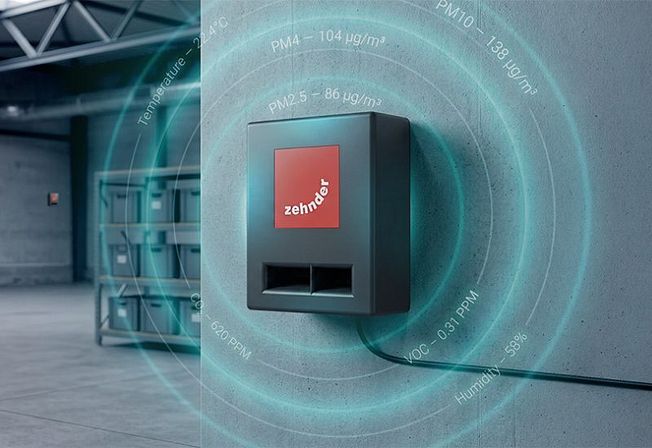
Air quality monitoring shows where paper dust, cardboard dust, fibres and ink mist spread throughout your packaging facility and where employee exposure occurs throughout your packaging facility.

It helps you:

  • Identify paper dust hotspots
  • Compare production areas
  • Understand where employee exposure is highest
  • Validate improvement measures with objective data
  • Make informed operational decisions

Explore our industrial air quality monitors

Understand what’s really in your air.

Industrial air quality monitors

Industrial air cleaning protects your entire packaging operation.

industrial-air-purifiers

Industrial air cleaning protects your entire packaging operation.

Once you know where airborne contamination is highest, you can take targeted action.

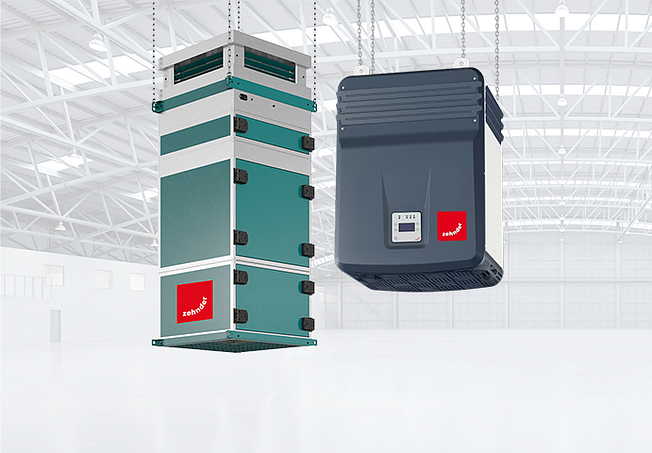
Industrial air cleaning removes paper dust, cardboard dust and ink mist that remain airborne beyond the process.

Working alongside extraction, it helps protect people, machinery and finished products.

Discover our industrial air purifiers

See how cleaner air makes a difference across packaging operations.

The success of the particle reduction could be felt immediately. The employees were absolutely thrilled. The cleaning work can now be taken care of comfortably by one person instead of two. Our top-quality high-tech equipment is now better protected. And our corporate image is also benefiting from this new level of cleanliness.

Questions we hear from packaging manufacturers every day.

Why does cardboard and paper dust spread throughout our packaging facility?

Fine paper dust and cardboard dust can be carried beyond the process by conveyors, forklifts, ventilation and everyday production activity. Once airborne, particles can reach workspaces far beyond where they were generated.

Why does cardboard and paper dust keep returning after we've cleaned?

Cleaning removes the dust that has already settled, not the fine particles still in the air. As packaging production continues, airborne dust can settle again, making housekeeping a constant challenge.

Why does cardboard and paper dust build up on machinery and overhead structures?

Fine airborne particles can reach sensors, electrical cabinets, cable trays, lighting and overhead structures before settling. Dust in harder-to-reach areas can continue accumulating between cleaning cycles.

Can paper and cardboard dust increase fire risk in packaging manufacturing?

Yes. Paper dust and cardboard dust are combustible, and accumulation on machinery, electrical equipment and overhead structures can create an additional fire risk within packaging manufacturing environments.

How does airborne contamination affect packaging printing?

Precision printing leaves little room for contamination. Paper dust, cardboard fibres and ink mist can affect printing equipment and settle on printed surfaces, increasing cleaning requirements and compromising print consistency.

Why should packaging manufacturers monitor workplace air quality?

Visible dust only tells part of the story. Air quality monitoring reveals where airborne contamination is highest, where employee exposure occurs and whether improvement measures are making a measurable difference.

Ready to improve air quality in your packaging facility?

Every packaging facility has its own air quality challenges. I'd be delighted to learn more about your processes, answer your questions and help you identify the best way to reduce paper dust, cardboard dust and ink mist across your workplace.

MCNCUVDDHYDJCHVATRHZEIOHXYYI?oid=00D24000000ef4qEAA&channelId=0ap08000000XZz7AAG
Ben Simons Country ManagerUnited Kingdom
MCNCUVDDHYDJCHVATRHZEIOHXYYI?oid=00D24000000ef4qEAA&channelId=0ap08000000XZz7AAG