



Air quality challenges in the pharmaceutical and medical industry

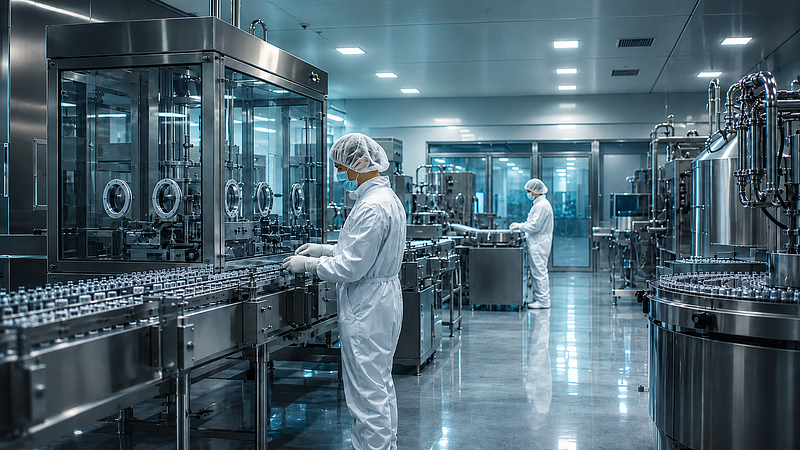
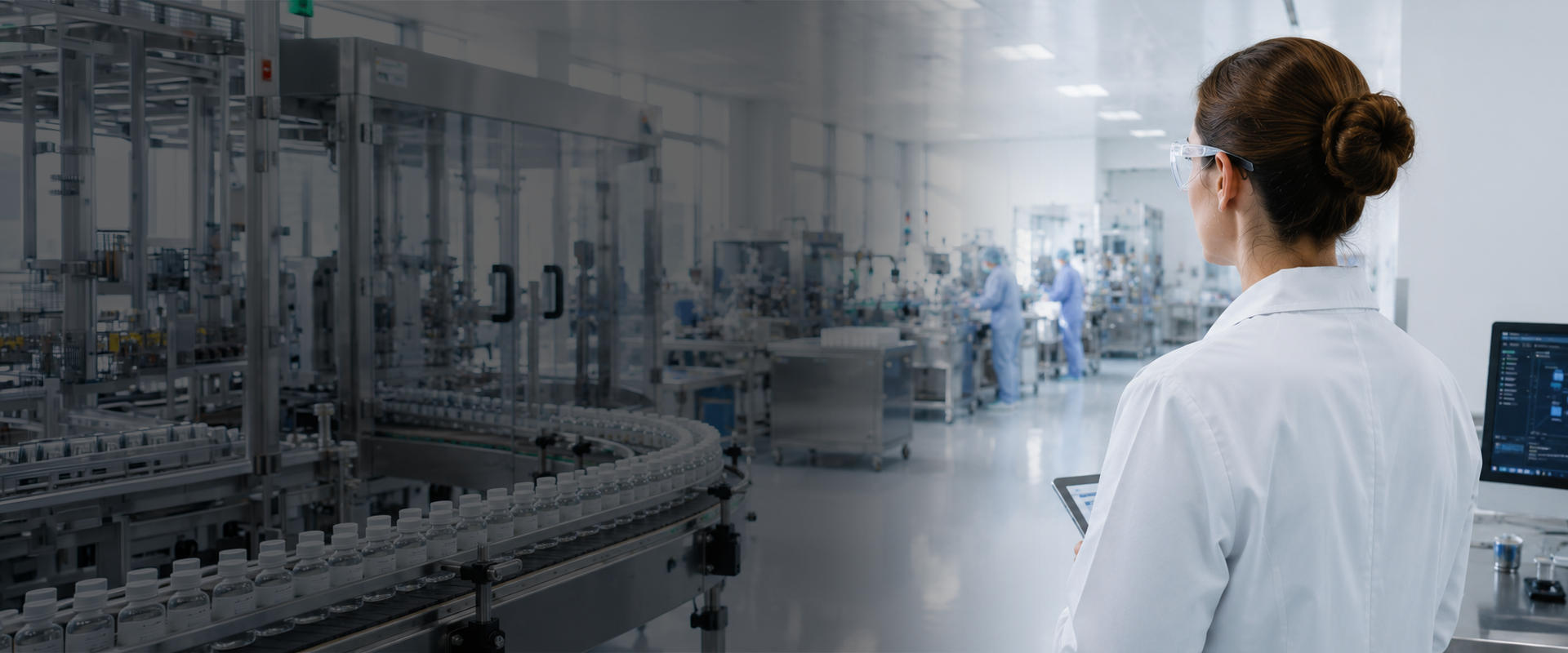
In pharmaceutical and medical manufacturing, there’s little room for contamination. Even the smallest airborne particles can challenge the controlled environments that product quality and manufacturing standards depend on.

Air quality challenges in medical and pharma industrie

Airborne contamination begins long before products reach the cleanroom.

Controlled environments don't exist in isolation. Weighing, processing, machining, assembly, packaging and the movement of people and materials can all generate or carry airborne particles through pharmaceutical and medical manufacturing facilities.

Powder handling and processing

Weighing, dispensing, blending, granulation and tablet compression can release fine pharmaceutical powders before products ever reach later controlled processes.

Medical device manufacturing

Machining, moulding, polishing and assembly can generate fine particles during medical device manufacturing, creating contamination beyond the finished component itself.

Filling and packaging

Filling, sealing, labelling and packaging introduce further opportunities for particles to enter sensitive production environments or settle on products and packaging.

People and movement

Every person moving between production areas can carry particles with them. Clothing, footwear and everyday activity can add to the contamination burden across controlled environments.

Material transfer

Raw materials, components, containers and packaging move continuously through production. Every transfer creates another opportunity for contamination to move with them.

Beyond the cleanroom

Airborne contamination generated outside controlled areas can increase the particle burden around cleanroom environments, adding another challenge to maintaining stable conditions.

When airborne contamination puts quality, compliance and production at risk.

In pharmaceutical and medical manufacturing, there is little room for variation. Airborne contamination can affect product quality, controlled environments and compliance, turning an almost invisible problem into very visible consequences.

Product qualityProduct quality

When quality standards are high, even small contamination events matter. Airborne particles can lead to additional inspections, investigations, rework, rejected products and unnecessary waste.


Controlled manufacturing environmentControlled manufacturing environments

Cleanroom environments are designed around control. Additional airborne contamination places more pressure on the systems and processes responsible for maintaining it.

Compliance and audit risksRegulatory compliance

Compliance depends on being able to demonstrate control. Airborne contamination can complicate investigations, corrective actions and audit readiness while increasing the effort required to demonstrate process control.

Lower productivity and efficiency Operational efficiency

A contamination event doesn't only affect one process. Additional cleaning, quality checks, investigations and production interruptions can quickly consume valuable time and capacity.

Operational costs and costly infrastructureCostly infrastructure

Increasing contamination control can come with significant infrastructure costs. Cleanroom expansion and HVAC upgrades require capital, space and ongoing energy, adding long-term cost to already demanding production environments.

Dissatisfied customers and bad reputationReputation and trust

Every pharmaceutical product and medical device leaving your facility represents your organisation's commitment to quality. Contamination incidents, rejected products or recalls can can put years of customer confidence at risk.

Product quality

Product quality

When quality standards are high, even small contamination events matter. Airborne particles can lead to additional inspections, investigations, rework, rejected products and unnecessary waste.

Controlled manufacturing environment

Controlled manufacturing environments

Cleanroom environments are designed around control. Additional airborne contamination places more pressure on the systems and processes responsible for maintaining it.

Compliance and audit risks

Regulatory compliance

Compliance depends on being able to demonstrate control. Airborne contamination can complicate investigations, corrective actions and audit readiness while increasing the effort required to demonstrate process control.

Lower productivity and efficiency

Operational efficiency

A contamination event doesn't only affect one process. Additional cleaning, quality checks, investigations and production interruptions can quickly consume valuable time and capacity.

Operational costs and costly infrastructure

Costly infrastructure

Increasing contamination control can come with significant infrastructure costs. Cleanroom expansion and HVAC upgrades require capital, space and ongoing energy, adding long-term cost to already demanding production environments.

Dissatisfied customers and bad reputation

Reputation and trust

Every pharmaceutical product and medical device leaving your facility represents your organisation's commitment to quality. Contamination incidents, rejected products or recalls can can put years of customer confidence at risk.

Air quality challenges in pharma and medical
Air quality challenges in pharma and medical | Wake-up call | Mobile

Every product carries responsibility. Make sure your air supports it.

Airborne contamination doesn't stop at the production line.

Particles travel with people, materials and airflow, moving between production areas, packaging lines and adjacent cleanroom environments.

Protecting pharmaceutical products and medical devices means considering the air around them at every stage.

Discuss your air quality challenges

In a controlled manufacturing environment, what you can't see still needs to be understood. Knowing where airborne contamination is highest provides valuable evidence for contamination control, product quality and GMP manufacturing.

That's why measuring workplace air quality is the first step.

Understand what’s really in your air.

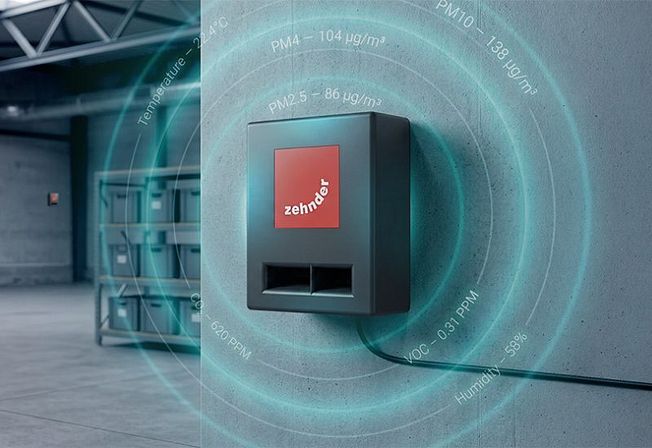
Air quality monitoring makes the invisible measurable, revealing where airborne contamination is occurring throughout pharmaceutical manufacturing and medical device production.

It helps you:

  • Identify airborne contamination hotspots
  • Compare production, packaging, storage and cleanroom-adjacent areas
  • Understand where exposure and contamination risks are highest
  • Validate contamination control measures with objective data
  • Support GMP manufacturing with measurable air quality insights

Explore our industrial air quality monitors

Understand what’s really in your air.

Industrial air quality monitors

Industrial air cleaning strenghtens contamination control.

industrial-air-purifiers

Industrial air cleaning strenghtens contamination control.

Once you understand your air quality, you can take targeted action.

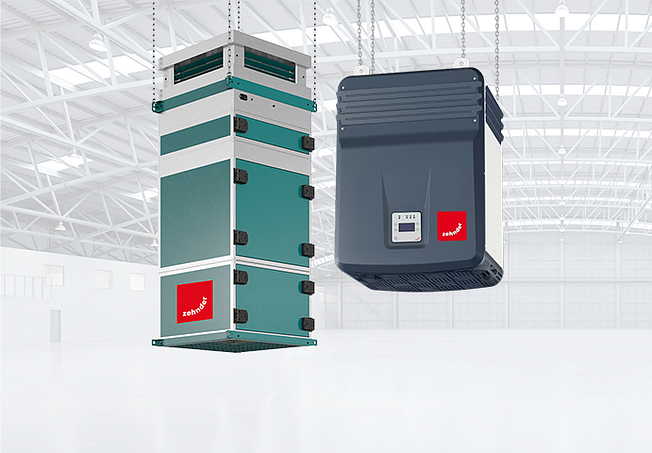
Industrial air cleaning continuously removes airborne particles from pharmaceutical and medical device manufacturing environments, reducing the contamination that remains beyond existing controls.

Discover our industrial air purifiers

See how cleaner air helps pharmaceutical and medical manufacturers maintain high standards.

By installing the air cleaning devices, we were able to avoid an expensive investment in a clean room infrastructure. The air cleaning systems are vital for us to maintain the high hygiene standards we set for ourselves.

Questions we hear from pharmaceutical and medical manufacturers every day.

Where does airborne contamination originate in pharmaceutical and medical manufacturing?

In pharmaceutical manufacturing, weighing, powder processing, blending and tablet production can generate airborne particles. In medical device manufacturing, machining, moulding, polishing and assembly create additional sources, while people and materials can introduce particles throughout both environments.

Can improving air quality help protect cleanroom environments?

Yes. Reducing airborne particles in surrounding production and support areas helps lower the contamination burden placed on adjacent cleanroom environments and controlled manufacturing spaces.

Which manufacturing processes generate the most airborne particles?

In pharmaceutical manufacturing, powder handling, blending, milling and tablet compression are major particle sources. In medical device manufacturing, machining, moulding, polishing, laser cutting and assembly can also generate airborne contamination that spreads throughout the facility.

How can I identify airborne contamination hotspots in my facility?

Air quality monitoring provides objective data on where airborne particles are generated, how they move through production areas and which processes create the greatest exposure. This helps prioritise improvement measures based on measurable evidence.

Why isn't contamination control limited to the cleanroom?

Because contamination control starts before the cleanroom door. People, materials and production processes can introduce or carry particles throughout the wider facility, adding to the contamination burden around controlled environments.

Ready to improve air quality across your pharmaceutical or medical facility?

Every pharmaceutical and medical manufacturing environment has its own air quality challenges. I'd be delighted to learn more about your processes, answer your questions and explore how cleaner air can support your contamination control strategy and wider manufacturing environment.

MCNCUVDDHYDJCHVATRHZEIOHXYYI?oid=00D24000000ef4qEAA&channelId=0ap08000000XZz7AAG
Ben Simons Country ManagerUnited Kingdom
MCNCUVDDHYDJCHVATRHZEIOHXYYI?oid=00D24000000ef4qEAA&channelId=0ap08000000XZz7AAG