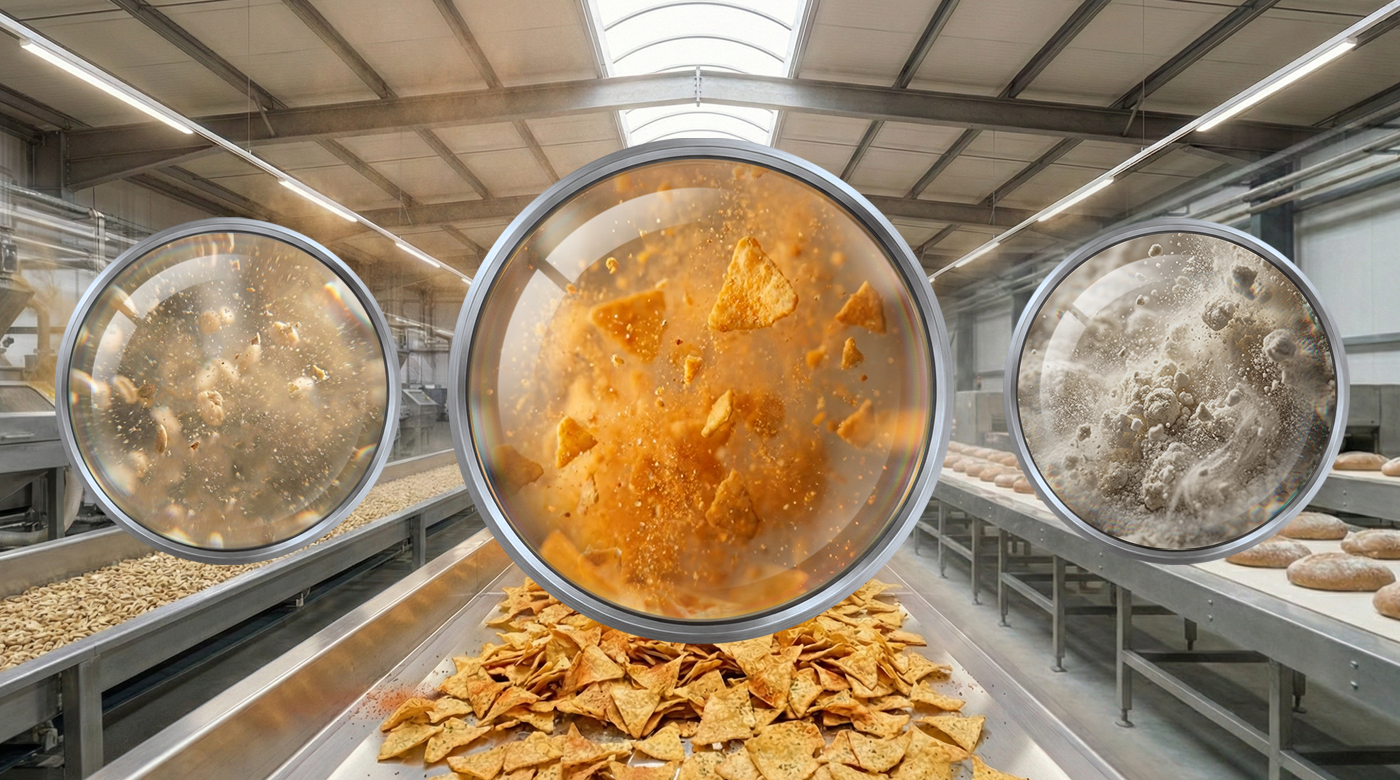
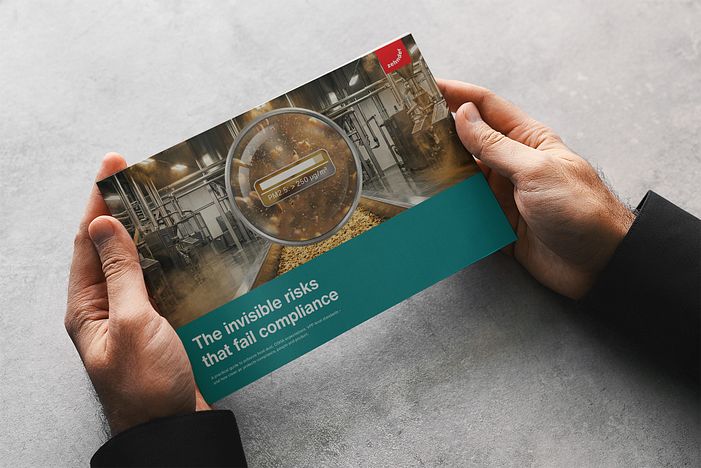
Your highest contamination risk shows up exactly when your ingredients are most exposed – during mixing, sieving, weighing, and finishing. These are the moments that release fine food dust straight into your air, where allergens and other food contaminants can travel well beyond the station where they started.
If you don’t control airborne food contaminants at these points, they won’t stay local. That food dust settles back into your open mixes, your finished products, your packaging areas, and your shared equipment. This is how cross-contamination ends up in products that were never meant to contain certain allergens.
When a contaminated batch leaves your facility, the impact escalates fast. Undeclared allergens can trigger real consumer health reactions, force you into a product recall, and put your brand under regulatory scrutiny. The cost doesn’t stop at withdrawn stock – it reaches into lost production time, wasted ingredients, investigation costs, and damage to trust that takes far longer to rebuild than the recall itself.
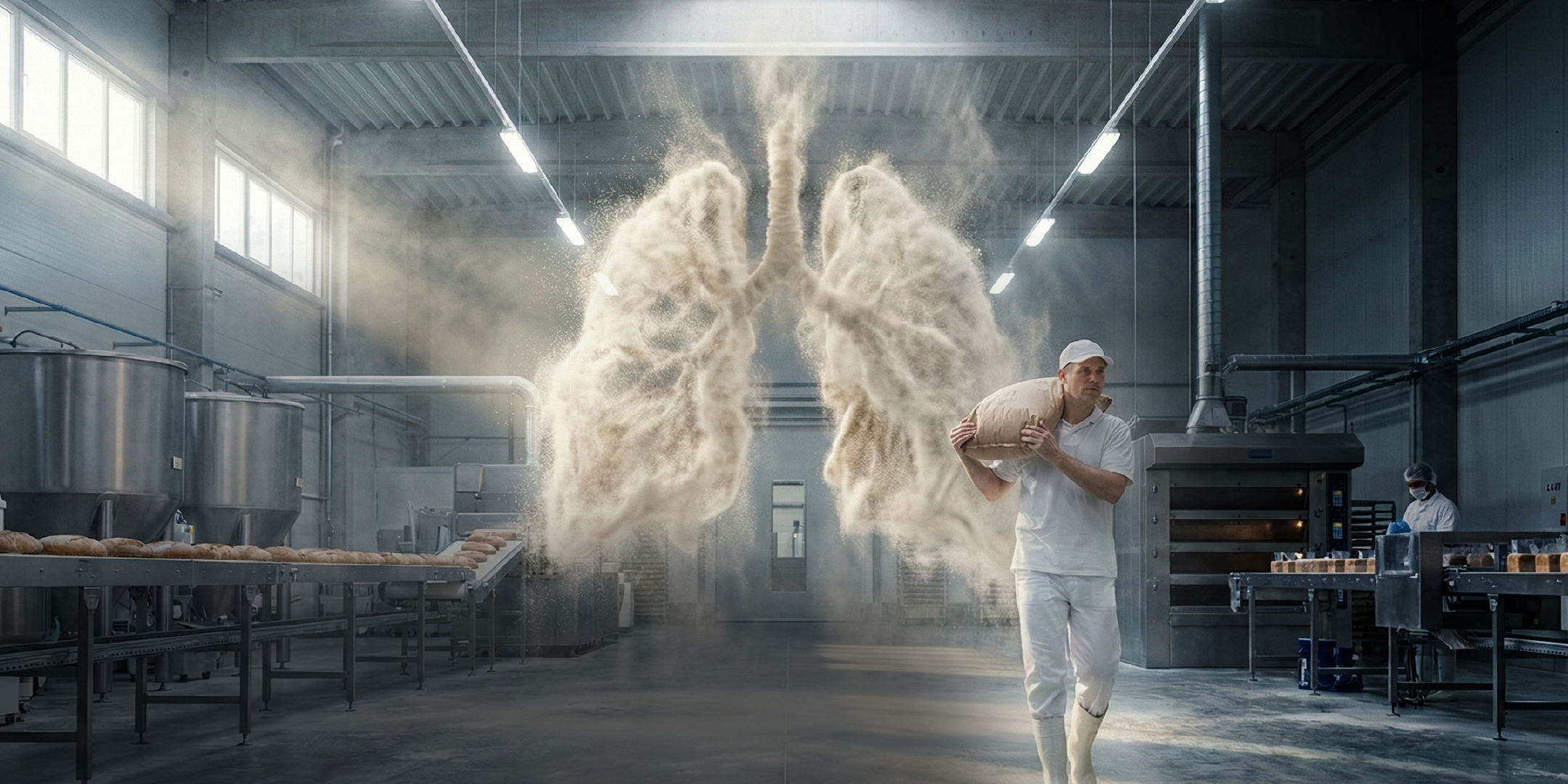
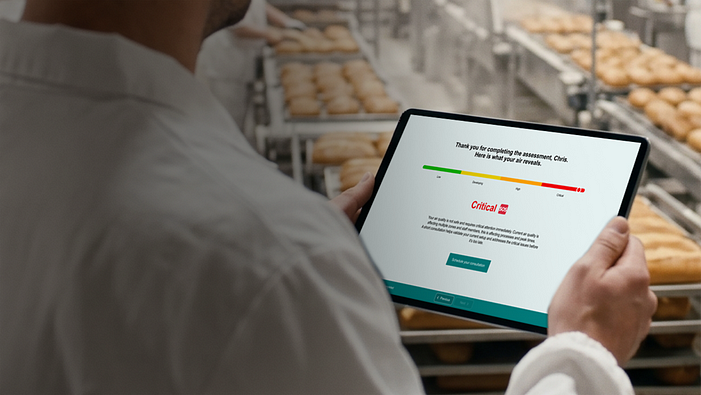
These risks don’t come from one mistake or one bad shift. They build quietly in the air you share, across every shift and every zone, until the consequences surface outside your walls.
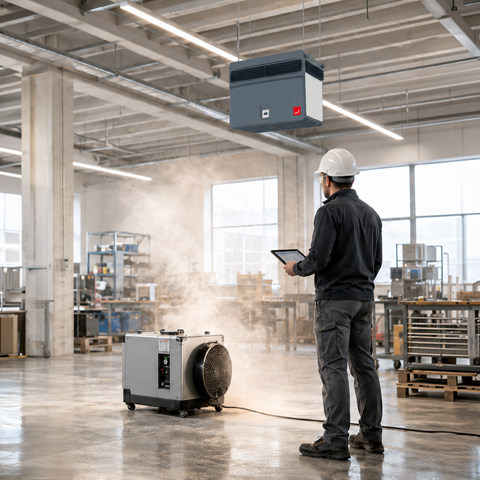
Clean air protects more than your product. It stops food contaminants from spreading – protecting your people, your profit, and your reputation long before a recall ever becomes necessary.