“For years, we thought we had a dust problem. What we actually had was a fugitive airborne dust problem, and that distinction changed everything.”
Food safety regulations are failing in the air. This guide explains what it costs you.
You made it: Your guide awaits
An important step towards cleaner air in your workplace. Congratulations!Please check your inbox for your free guide, don't forget to check your spam folder too.We hope you get plenty of clean air eureka moments whilst reading!
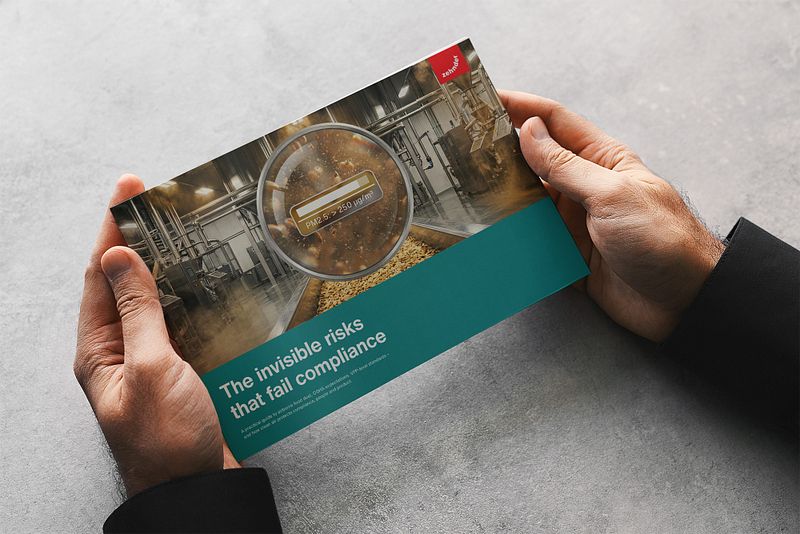
Our guide shows what airborne dust really costs your food facility – and how it affects OSHA compliance.
Inside, you’ll find:
- The direct and hidden operational cost of uncontrolled airborne dust
- How OSHA sampling data and VPP expectations raise the bar above minimum compliance
- Why OSHA prioritizes engineering controls above PPE
- How PM10 and PM2.5 behave differently from visible dust
- Real measured particulate levels from U.S. food facilities
- Five preventive principles to strengthen defensible compliance
If you are responsible for environmental control, food safety practices, audit resilience or operational cost, this guide provides structured, evidence-based guidance.
Our guide shows what airborne dust really costs your food facility – and how it affects OSHA compliance.
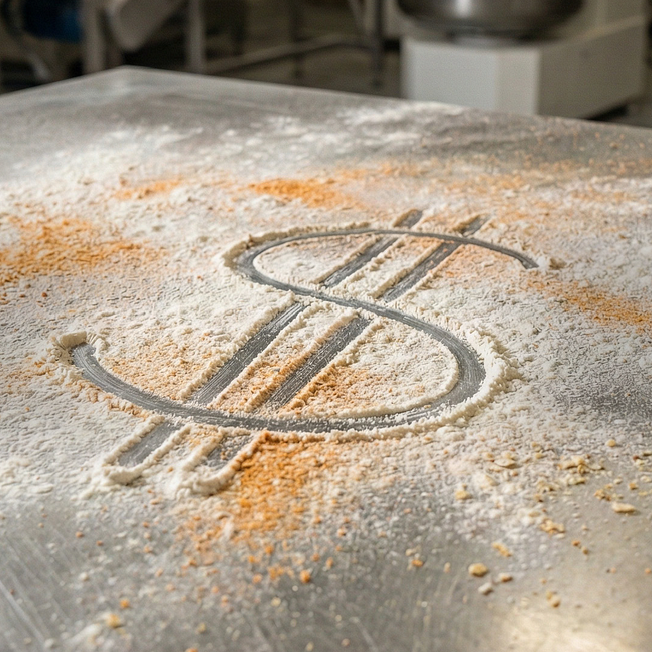
Food safety regulations extend beyond surfaces and into the air.
Inspections rarely fail because floors are dirty or surfaces haven’t been wiped down. They fail because air quality risk is not controlled.
Airborne flour, sugar, starch, nut and spice dust does not stay confined to the region where it was generated. It migrates through production areas, pedestrian routes, packaging zones and shared airspaces.
That movement affects:
OSHA respiratory exposure requirements
FSMA and CGMP contamination control
Allergen management programs
Food safety regulations are designed to prevent risk. But when airborne contamination isn’t measured or stabilized, companies can easily lose control of the air quality in their facility, putting their staff and their entire operation at risk.
Food safety regulations become vulnerable when airborne risk is uncontrolled.
Most facilities rely on:
- Local Exhaust Ventilation (LEV)
- PPE
- Cleaning schedules
- Zoned hygiene protocols
These are essential food safety practices and align with baseline food safety standards, but airborne dust behaves differently. Fine particles remain suspended.
During OSHA food safety inspections, regulators assess exposure levels and preventive control, not just visible hygiene. This is the distinction between appearing compliant and defensibly compliant under food safety regulations.
Food safety regulations become vulnerable when airborne risk is uncontrolled.
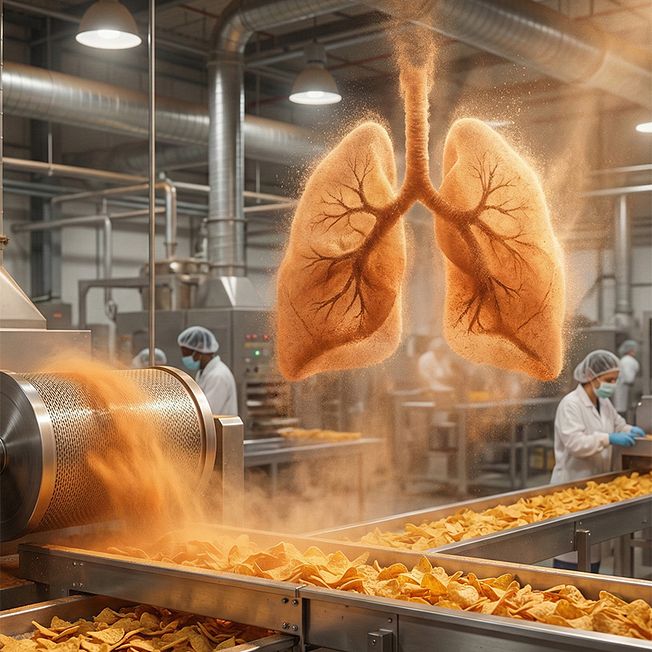


Modern food safety regulations require demonstrable control.
OSHA’s hierarchy of controls prioritizes engineering controls above PPE.
Sampling data in food environments shows short-term dust exposures during ingredient handling can significantly exceed assumed background levels.
Under evolving food safety standards, hazards that are “reasonably likely to occur” must be controlled. Airborne contamination often meets that definition.
Many facilities meet food safety regulations on paper, yet still face audit observations because they failed to proactively manage airborne risk.
Compliance today requires measurable environmental control.
Industrial air control reinforces food safety regulations at the facility level.
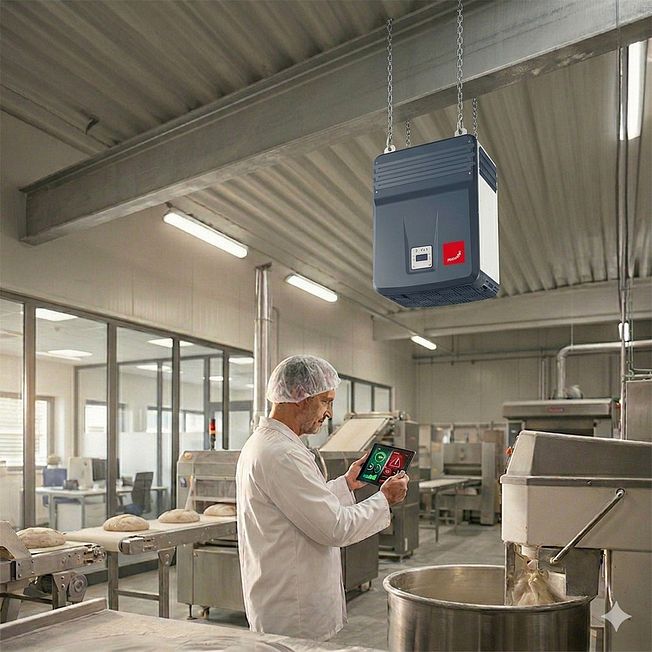
Industrial air control reinforces food safety regulations at the facility level.
LEV captures larger particles at the source.
But smaller respirable particles can escape and redistribute.
Industrial air filtration works alongside extraction – reducing airborne particulate concentration across entire production areas.
This supports:
- Stronger food safety practices
- Lower respirable dust exposure
- Reduced allergen migration
- Improved audit defensibility
- Greater confidence during OSHA food safety inspections
Clean air is not an aesthetic improvement. It is preventive control aligned with modern food safety standards.
Are you ready for clean air?
I'm here to help you on the journey to clean air. If you have any questions or want to talk more about your facility and needs, don't hesitate to reach out.